CIS LEBANON SECURITY INDEX – Dec 07 2025
CIS LEBANON SECURITY INDEX – Dec 07 2025
📊 TODAY’S LEBANON SECURITY INDEX READING
INDEX LEVEL: 🔴 CRITICAL
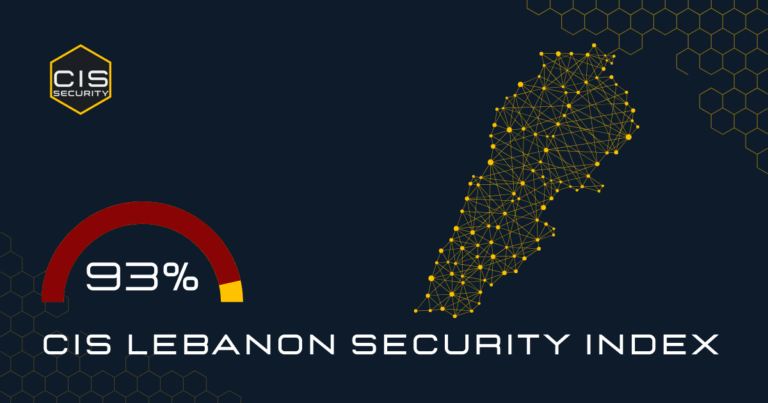
TODAY’S OVERALL INDEX: 83/100
TREND ANALYSIS: ⚠️ MOUNTING PRESSURE – US DEMANDS & UNIFIL ATTACK
🚨 BREAKING: ESCALATING TENSIONS AS US CONGRESS DEMANDS FORCEFUL DISARMAMENT
CRITICAL DEVELOPMENTS – SUNDAY, DECEMBER 7, 2025:
US CONGRESSIONAL LETTER: Eight US lawmakers, including both Republicans and Democrats, sent a letter dated December 3 to President Joseph Aoun and Prime Minister Nawaf Salam demanding Lebanon disarm Hezbollah “even by force if necessary,” threatening withdrawal of American support if action is not taken. The bipartisan letter marks significant escalation in US pressure on Lebanese government.
UNIFIL ATTACK & ARRESTS: On Thursday night (December 4-5), six men on three mopeds attacked an Irish UNIFIL patrol on the al-Tiri-Bint Jbeil road, firing approximately three shots at the armored vehicle. The Lebanese Army arrested six suspects on Saturday, emphasizing it will not tolerate attacks on UNIFIL and highlighting the peacekeepers’ “essential stabilizing role” south of the Litani River.
LAF RESPONSE: The Army Command’s swift action in arresting the attackers demonstrates governmental commitment to protecting international peacekeepers. Suspicions point to Hezbollah involvement, as Bint Jbeil has suffered severe damage from Israeli bombing and remains a group stronghold. This marks the first shooting incident involving Irish troops since Private Seán Rooney’s murder in 2022.
UN SECURITY COUNCIL DELEGATION: A UNSC delegation visiting Lebanon on Saturday emphasized that “the safety of peacekeepers must be respected and that they must never be targeted,” while urging all parties to uphold the November 2024 ceasefire and expressing support for Lebanon’s “state monopoly on arms.”
PRESIDENT AOUN’S STANCE: On December 5, President Aoun declared there is “no turning back” on negotiations with Israel, defending the governmental decision to participate in historic direct talks despite Hezbollah opposition. His firm stance demonstrates executive commitment to diplomatic engagement.
HEZBOLLAH’S NUANCED POSITION: Leader Naim Qassem on December 5 backed diplomacy in principle but criticized adding civilian representatives to the negotiation committee as a “misstep,” calling it a “free concession” to Israel. The group maintains it cannot disarm while Israeli aggression and occupation continue.
SPEAKER BERRI’S COMPLAINT: Parliament Speaker Nabih Berri told the visiting UNSC delegation that “it’s not acceptable to negotiate under fire,” highlighting the contradiction between diplomatic engagement and ongoing Israeli strikes killing civilians and destroying infrastructure.
ISRAELI ESCALATION WARNING: Lebanese media reported December 5 that Israeli escalation is “inevitable despite civilian negotiations,” suggesting Tel Aviv views talks and military pressure as complementary tracks rather than alternative approaches.
🌡️ COMPREHENSIVE GOVERNORATE-BY-GOVERNORATE SECURITY ASSESSMENT
BEIRUT 🏙️
Index Reading: 79/100 🔴
Status: Critical with Diplomatic Defiance. The capital manages intense external pressure from the December 3 US congressional letter demanding forceful Hezbollah disarmament or face aid withdrawal. President Aoun’s December 5 statement that there is “no turning back” on negotiations demonstrates governmental determination despite domestic and international pressures.
The administration navigates complex balancing act between US demands for aggressive disarmament, Hezbollah’s rejection of talks as “free concessions,” and Speaker Berri’s position that negotiating “under fire” is unacceptable given ongoing Israeli strikes.
The US congressional letter’s threat that Washington will “find it increasingly difficult to justify continued support for a government that refuses to uphold its own commitments” creates significant pressure on Aoun and PM Salam’s government, which depends on American military aid for LAF operations.
The visiting UN Security Council delegation’s emphasis on peacekeepers’ safety following the Thursday UNIFIL attack adds international dimension to security challenges. The delegation’s support for “state monopoly on arms” backs governmental disarmament goals while urging ceasefire compliance from all parties.
Economic activities continue with awareness that US congressional threats to withdraw support could impact reconstruction funding and international assistance crucial for recovery. The governmental stance favoring continued negotiations despite opposition demonstrates confidence in diplomatic track.
Key Factor: Governmental determination to continue negotiations despite US pressure for forceful action, Hezbollah opposition characterizing talks as concessions, and Speaker Berri’s complaint about negotiating under ongoing Israeli strikes.
MOUNT LEBANON 🏞️
Index Reading: 75/100 🔴
Status: Critical with Political Division. The governorate experiences tensions over governmental diplomatic direction, with the US congressional letter’s “by force if necessary” language creating concerns about potential internal conflict if forceful disarmament attempted.
Religious leaders and community figures navigate between supporting governmental authority and concerns about civil strife if Hezbollah disarmament pursued militarily. US envoy Tom Barrack previously acknowledged Lebanon cannot “forcefully take away arms of a large segment of its population” citing civil war fears.
Business operations proceed with uncertainty about how escalating US pressure and internal political divisions will affect stability. The successful papal visit memory contrasts with current tensions over disarmament and negotiations.
Tourism and business sectors monitor whether governmental diplomatic engagement can reduce tensions or if US pressure for aggressive action might provoke crisis. Infrastructure continues supporting normal operations amid political uncertainty.
Key Factor: US congressional “by force” language creating concerns about potential civil strife balanced against governmental insistence on negotiated rather than forceful disarmament approach.
NORTH LEBANON 🌊
Index Reading: 77/100 🔴
Status: Critical with Regional Concerns. Tripoli and surrounding areas monitor US pressure and governmental responses with interest in how diplomatic developments and disarmament challenges affect northern stability and economic prospects.
The port city continues commercial operations while assessing whether US threats to withdraw support might impact broader assistance and reconstruction funding affecting northern development. Cross-border dynamics with Syria remain stable with continued coordination.
Economic conditions show gradual improvement under governmental framework, though US congressional pressure and internal political tensions create uncertainty about sustained stability and international engagement.
Infrastructure projects proceed under governmental authority with awareness that US support withdrawal threats could affect international development assistance and reconstruction funding.
Key Factor: US congressional pressure creating uncertainty about continued international support and assistance affecting northern development and reconstruction prospects.
AKKAR 🌲
Index Reading: 78/100 🔴
Status: Critical with Border Security Focus. The Syrian border situation remains stable with enhanced Lebanese Armed Forces coordination, though US congressional threats to withdraw military support create concerns about sustained LAF capabilities.
The Lebanese army depends heavily on American assistance for equipment, training, and operations. US congressional letter warning that Washington will reconsider support if disarmament progress insufficient creates strategic vulnerability for border security operations.
Cross-border security operations continue effectively, though LAF leadership monitors whether US pressure for aggressive disarmament might compromise military focus on border control and sovereignty establishment.
The region benefits from governmental stability and LAF presence, with border security requiring continued international support that US congressional letter places at risk if disarmament demands not met.
Key Factor: US threats to withdraw military support creating strategic concerns for LAF border operations while US envoy Barrack acknowledges forceful disarmament risks civil conflict.
BEQAA VALLEY 🍇
Index Reading: 81/100 🔴
Status: Critical – Heightened Political Tensions. The valley experiences intense focus as center of Hezbollah presence facing US congressional demands for disarmament “by force if necessary.” The group’s December 5 criticism of civilian negotiations as “misstep” demonstrates opposition to governmental diplomatic direction.
Agricultural operations continue with security precautions amid political tensions over disarmament demands and diplomatic engagement. The LAF’s discovery of 74 tunnels, 175 rocket launchers, and 58 missiles since September demonstrates ongoing disarmament progress, though US lawmakers characterize efforts as “empty promises and partial measures.”
International development projects proceed under enhanced security protocols, while US congressional letter’s aggressive language creates concerns about potential escalation if forceful disarmament attempted in Hezbollah stronghold areas.
Hezbollah’s position that it cannot disarm while Israeli occupation and strikes continue creates fundamental obstacle to US demands, with the group arguing that disarming under aggression would be surrender rather than sovereignty establishment.
Key Factor: US “by force” demands colliding with Hezbollah’s refusal to disarm under ongoing Israeli aggression creating potential crisis if governmental authority forced to choose between American pressure and civil conflict risks.
BAALBEK-HERMEL 🕌
Index Reading: 83/100 🔴
Status: Critical – Maximum Disarmament Pressure. This region experiences highest tensions as Hezbollah stronghold facing direct US congressional demands for forceful disarmament. The December 3 letter’s language about “empty promises” and demands for immediate action creates confrontational atmosphere.
Infrastructure improvements continue under governmental authority, though US pressure for aggressive disarmament in areas with strong Hezbollah presence creates potential for conflict if forceful approach attempted rather than negotiated solutions.
The pattern of ongoing Israeli violations documented at over 10,000 incidents validates Hezbollah’s argument that disarming under continued aggression would leave Lebanese territory defenseless, complicating governmental disarmament efforts.
Speaker Berri’s statement that negotiating “under fire” is unacceptable resonates strongly in regions experiencing ongoing Israeli strikes, creating political support for Hezbollah’s position that disarmament contingent on Israeli withdrawal and violation cessation.
Key Factor: US demands for forceful disarmament in Hezbollah stronghold creating maximum tension while ongoing Israeli strikes validate group’s argument that disarming under aggression would be capitulation not sovereignty.
KESERWAN-JBEIL 🏛️
Index Reading: 71/100 🟡
Status: Elevated with Relative Stability. The coastal governorate maintains lowest security concerns despite national political tensions over disarmament and negotiations. The region benefits from stable security environment and successful papal visit legacy.
Tourism infrastructure continues normal operations with awareness that escalating political tensions over US demands and Hezbollah opposition could affect broader national stability. Business operations proceed with cautious optimism about governmental diplomatic engagement.
The region serves as model of stability that other areas aspire to achieve, demonstrating benefits of governmental authority and absence of armed group presence that US congressional letter seeks to replicate nationwide.
Infrastructure supports continuing religious pilgrimage activities and tourism operations, while regional stability provides contrast to southern tensions over disarmament and ongoing violations.
Key Factor: Stable security environment demonstrating benefits of governmental authority and weapons monopoly that US congressional letter seeks nationwide while avoiding tensions of forceful disarmament approach.
SOUTH LEBANON 🌴
Index Reading: 86/100 🔴
Status: Critical – Multiple Crises Converging. The south remains highest security challenge area with Thursday night’s attack on Irish UNIFIL patrol demonstrating ongoing threats to peacekeepers operating in Hezbollah stronghold areas. The swift LAF arrest of six suspects shows governmental commitment to peacekeeper protection.
The Lebanese Armed Forces continue operations discovering weapons caches and tunnels, though US congressional letter characterizes progress as insufficient. UNIFIL documents over 10,000 Israeli violations since ceasefire with 300+ killed, demonstrating systematic non-compliance undermining security framework.
Israeli forces maintain five strategic positions inside Lebanese territory despite ceasefire requirements. The pattern of violations validates Speaker Berri’s complaint that Lebanon cannot negotiate “under fire” and Hezbollah’s position that disarmament while under attack would be surrender.
The UNIFIL attack suspicions pointing to Hezbollah demonstrate group’s opposition to international presence it views as facilitating Israeli actions. The incident recalls 2022 murder of Private Seán Rooney, creating ongoing Irish troop security concerns.
UN Security Council delegation’s Saturday visit emphasized peacekeeper safety must be respected and troops “never targeted,” while urging ceasefire compliance and supporting state weapons monopoly that requires Hezbollah disarmament.
Key Factor: UNIFIL attack demonstrating ongoing threats to peacekeepers, over 10,000 Israeli violations validating arguments against disarming under fire, and US pressure for forceful action creating potential escalation in most volatile region.
NABATIEH ⛪
Index Reading: 84/100 🔴
Status: Critical with Reconstruction Pressures. The governorate continues managing conflict aftermath while US congressional letter’s threat to withdraw support creates concerns about reconstruction funding and international assistance for rebuilding efforts.
Infrastructure restoration proceeds under governmental framework, though escalating political tensions over disarmament demands and ongoing Israeli strikes create uncertainty about sustained progress. The pattern of violations documented at over 10,000 incidents affects civilian populations attempting to rebuild lives.
Reconstruction efforts depend heavily on international assistance that US congressional letter places at risk if disarmament progress judged insufficient by Washington. The contradiction between rebuilding needs and aggressive disarmament demands creates difficult choices for affected populations.
Key Factor: Reconstruction depending on international aid threatened by US congressional letter while ongoing violations and disarmament pressures create challenging environment for civilian recovery.
🎯 CRITICAL SECURITY INTELLIGENCE BRIEF – ESCALATING EXTERNAL PRESSURE
🔥 CURRENT HIGH-RISK AREAS:
Priority Level 1 – Immediate Threats:
- Bint Jbeil UNIFIL Area – Thursday attack site requiring enhanced peacekeeper protection
- Hezbollah Strongholds – Beqaa, Baalbek-Hermel facing US demands for forceful disarmament
- Southern Border Areas – Over 10,000 violations documented, 300+ killed since ceasefire
- Israeli-Occupied Positions – Five strategic points maintained inside Lebanon
- LAF Disarmament Operations – Areas where 74 tunnels, weapons discovered creating tensions
Priority Level 2 – Enhanced Monitoring: 6. Government Buildings – Managing US pressure and internal political divisions 7. Political Gathering Areas – Hezbollah, Amal movement responses to US demands 8. UNIFIL Posts – Enhanced security following attack and UNSC delegation emphasis 9. Diplomatic Venues – Naqoura meetings site for controversial civilian negotiations 10. Southern Residential Areas – Civilians caught between disarmament demands and ongoing strikes
✅ RELATIVELY STABLE ZONES (WITH CONTINUED VIGILANCE):
Improved Stability Areas:
- Keserwan-Jbeil – Lowest security concerns, stable operations maintained
- Northern Coastal Areas – Monitoring US pressure impacts with relative stability
- Central Beirut – Governmental operations continuing despite external pressures
- Cross-Border Areas – Syrian frontier maintaining stable coordination
⚠️ CRITICAL PRESSURE POINTS ASSESSMENT:
US Congressional Demands (December 3 Letter):
- Disarm Hezbollah “even by force if necessary”
- Threatens withdrawal of US support if insufficient progress
- Eight bipartisan lawmakers signed letter to Aoun and Salam
- Characterizes Lebanese efforts as “empty promises and partial measures”
- Warns continued inaction brings Lebanon “closer to renewed war”
Lebanese Governmental Response:
- President Aoun: “no turning back” on negotiations (December 5)
- PM Salam: Focus on ceasefire implementation, not peace agreement
- Position: Disarmament through negotiation not force
- Army Commander Haykal: Will not let soldiers clash with southern residents
- Acknowledgment that forceful approach risks civil conflict
Hezbollah Position:
- Leader Qassem: Backs diplomacy but criticizes civilian negotiations as “misstep”
- Cannot disarm while Israeli aggression and occupation continue
- Characterizes direct talks as “free concession” to Israel
- Maintains disarmament while under attack would be surrender not sovereignty
Speaker Berri’s Stance:
- “Not acceptable to negotiate under fire”
- Highlights contradiction between diplomatic engagement and ongoing strikes
- Supports state weapons monopoly in principle
- Insists Israeli compliance required before Hezbollah disarmament
📱 CURRENT SECURITY GUIDANCE – HIGH PRESSURE PERIOD
🏠 GUIDANCE FOR RESIDENTS:
ESCALATING EXTERNAL PRESSURE: US Congress demands Lebanon disarm Hezbollah “by force if necessary” through December 3 letter threatening withdrawal of American support if insufficient action taken. Lebanese government insists on negotiated rather than forceful approach citing civil conflict risks.
CURRENT SECURITY ENVIRONMENT:
- UNIFIL Attack: Thursday incident on Irish troops resulted in six arrests by LAF
- US Demands: Congressional letter threatening support withdrawal creating pressure
- Ongoing Violations: Over 10,000 Israeli incidents documented with 300+ killed
- Governmental Stance: President Aoun says “no turning back” on negotiations despite opposition
COMPLEX POLITICAL DYNAMICS:
- President Aoun: Firm commitment to diplomatic engagement with Israel
- Hezbollah: Opposes civilian negotiations, demands Israeli withdrawal first
- Speaker Berri: Says negotiating “under fire” unacceptable given ongoing strikes
- US Position: Demands immediate forceful action or faces support withdrawal
🏢 BUSINESS OPERATIONS GUIDANCE:
EXTERNAL PRESSURE PERIOD:
- US Congressional Threats: Potential support withdrawal affecting reconstruction funding
- Political Uncertainty: Internal divisions over disarmament approach creating instability risks
- LAF Dependence: Lebanese army relies on US aid threatened by congressional letter
- International Assistance: Reconstruction funding potentially at risk from US pressure
OPERATIONAL CONSIDERATIONS:
- Monitor whether US threats materialize into actual support withdrawal
- Assess governmental ability to navigate between US demands and civil conflict risks
- Evaluate how ongoing violations undermine diplomatic progress and disarmament efforts
- Consider political tensions’ impact on business confidence and investment climate
🚗 TRAVEL ADVISORY – HIGH TENSION PERIOD:
CURRENT TRAVEL STATUS: Escalating US pressure for forceful disarmament, ongoing Israeli violations documenting over 10,000 incidents, and internal political divisions over diplomatic engagement creating heightened uncertainty requiring enhanced caution.
TRAVEL CONSIDERATIONS:
- Southern Areas: UNIFIL attack site and ongoing Israeli violations requiring maximum caution
- Hezbollah Strongholds: Beqaa, Baalbek-Hermel facing US demands for forceful disarmament
- Bint Jbeil Area: Thursday attack on peacekeepers demonstrating security challenges
- Border Crossings: Normal operations with awareness of regional tensions
- Central Areas: Stable operations with monitoring of political developments
📊 SUNDAY, DECEMBER 7, 2025 SECURITY ANALYSIS
Today’s Assessment: Escalating US Pressure & UNIFIL Attack
Congressional Demand: Disarm Hezbollah “by force if necessary” or lose US support
LAF Response: Six arrests after Thursday attack on Irish UNIFIL patrol
Governmental Stance: President Aoun says “no turning back” on negotiations
Critical Analysis: Sunday, December 7, 2025, finds Lebanon under intense external pressure from a December 3 US congressional letter demanding immediate forceful Hezbollah disarmament or face withdrawal of American support. The bipartisan letter signed by eight lawmakers marks significant escalation in Washington’s approach to Lebanese disarmament challenges.
The congressional letter’s language is notably aggressive, stating Lebanon must “disarm Hezbollah now, including by force if necessary” and characterizing governmental efforts as “empty promises and partial measures that fall far short of disarming the group.” The lawmakers warn that “every day your government fails to act in a meaningful way pushes Lebanon closer to renewed war.”
President Joseph Aoun’s December 5 response that there is “no turning back” on negotiations with Israel demonstrates governmental determination to continue diplomatic engagement despite mounting pressures from multiple directions. His stance contrasts with congressional demands for immediate forceful action, reflecting awareness that military approach to disarmament risks civil conflict.
The Lebanese Army’s swift action in arresting six suspects following Thursday night’s attack on Irish UNIFIL peacekeepers demonstrates governmental commitment to protecting international forces despite challenging security environment. The attack occurred on the al-Tiri-Bint Jbeil road when six men on three mopeds fired approximately three shots at an armored patrol vehicle, causing damage but no casualties.
Suspicions that Hezbollah elements were behind the UNIFIL attack add complexity to disarmament challenges. Bint Jbeil, where the incident occurred, has suffered severe Israeli bombing damage and remains a Hezbollah stronghold. The group views UNIFIL presence as facilitating Israeli actions and potentially compromising resistance capabilities.
The attack recalls the 2022 murder of Private Seán Rooney by Hezbollah member Mohammad Ayyad, creating ongoing concerns about Irish troops’ safety in southern Lebanon. The Lebanese Army’s statement that it “will not tolerate attacks on UNIFIL” and emphasis on peacekeepers’ “essential stabilizing role” demonstrates official rejection of violence against international forces.
The visiting UN Security Council delegation’s Saturday statement emphasizing that “safety of peacekeepers must be respected and that they must never be targeted” adds international dimension to security concerns. The delegation urged ceasefire compliance and expressed support for “state monopoly on arms,” backing Lebanese governmental disarmament goals.
However, the contradiction between US demands for forceful immediate action and recognition of civil conflict risks creates impossible choices for Lebanese authorities. US envoy Tom Barrack himself acknowledged earlier that Lebanon cannot “forcefully take away arms of a large segment of its population” due to civil war fears, directly contradicting congressional letter’s “by force if necessary” language.
Hezbollah leader Naim Qassem’s December 5 statement backing diplomacy in principle while criticizing civilian negotiations as a “misstep” and “free concession” demonstrates group’s nuanced position. Qassem maintains Hezbollah cannot disarm while Israeli aggression and occupation continue, arguing that disarmament under attack would be surrender rather than sovereignty establishment.
Parliament Speaker Nabih Berri’s complaint to the UNSC delegation that “it’s not acceptable to negotiate under fire” captures fundamental problem undermining diplomatic progress. UNIFIL documents over 10,000 Israeli violations since the November 2024 ceasefire, with 300+ people killed. This systematic non-compliance validates Hezbollah’s argument that disarming while under ongoing attack would leave Lebanese territory defenseless.
The Lebanese Armed Forces’ documented progress discovering 74 tunnels, 175 rocket launchers, and 58 missiles since September 5 demonstrates genuine disarmament efforts. However, US congressional letter dismisses this progress as insufficient “empty promises,” demanding more aggressive action despite civil conflict risks.
Israeli forces continue occupying five strategic positions inside Lebanese territory despite ceasefire requirements for complete withdrawal. This ongoing violation of Lebanese sovereignty undermines governmental arguments for Hezbollah disarmament, as the group points to continued occupation as justification for maintaining defensive capabilities.
Lebanese media reported December 5 that Israeli escalation is “inevitable despite civilian negotiations,” suggesting Tel Aviv views diplomatic engagement and military pressure as complementary rather than alternative tracks. This assessment undermines hope that negotiations might reduce violations and create environment enabling disarmament.
The US congressional letter’s threat that Washington will “find it increasingly difficult to justify continued support for a government that refuses to uphold its own commitments” creates significant pressure on Aoun and PM Salam’s administration. The Lebanese army depends heavily on American military assistance for equipment, training, and operations critical to sovereignty establishment.
However, congressional demands for forceful disarmament ignore Lebanese political and military realities. Army Commander General Rodolphe Haykal has stated he will not let soldiers clash with southern residents where Hezbollah holds significant influence. Lebanese and foreign officials warn that forceful disarmament attempts could provoke civil strife.
The contradiction between US demands and acknowledgment of civil conflict risks reflects Washington’s broader challenge understanding local dynamics while pursuing regional reshaping goals. The Trump administration’s approach appears focused on removing Hezbollah’s military capabilities without adequate consideration of implementation challenges and potential consequences.
Hezbollah’s Calculation: The group faces unprecedented pressure from weakened military position after last year’s war, loss of Syrian ally Assad, and intensifying US demands. However, it maintains that disarmament while under Israeli occupation and ongoing strikes would represent capitulation rather than sovereignty establishment, a position that resonates with many Lebanese beyond Hezbollah’s Shia constituency.
Governmental Challenge: President Aoun and PM Salam navigate between US threats to withdraw support, Hezbollah’s opposition to negotiations characterized as concessions, Speaker Berri’s position that negotiating under fire is unacceptable, and awareness that forceful disarmament risks civil conflict. Their insistence on negotiated approaches demonstrates political realism despite external pressure for aggressive action.
UNIFIL’s Predicament: Thursday’s attack demonstrates peacekeepers operate in hostile environment with some Lebanese factions viewing them as facilitating Israeli actions. The swift LAF response arresting six suspects shows governmental commitment to peacekeeper protection, though underlying tensions about UNIFIL’s role remain unresolved.
Regional Context: The fall of Assad’s Syrian regime, ongoing Gaza situation, and broader US efforts to reshape Middle East create complex environment for Lebanese disarmament challenges. Washington views Hezbollah disarmament as essential to broader regional goals, while Lebanese authorities focus on avoiding civil conflict and managing immediate security threats.
Long-term Prospects: Success requires several simultaneous developments: Israeli cessation of violations and withdrawal from occupied positions, US pressure balanced with recognition of civil conflict risks, Hezbollah willingness to transition from military to purely political role, and Lebanese governmental capacity to establish authority throughout territory. Congressional demands for immediate forceful action ignore these complex requirements, risking escalation rather than progress.
🛡️ CIS SECURITY: HIGH PRESSURE PERIOD SERVICES
⚠️ NAVIGATING ESCALATING TENSIONS – COMPREHENSIVE PROTECTION
CIS Security provides professional services supporting Lebanon during high-pressure period combining US congressional demands for forceful disarmament, Thursday’s UNIFIL attack requiring six arrests, ongoing violations documenting over 10,000 Israeli incidents, and internal political divisions over diplomatic engagement creating complex security environment.
HIGH PRESSURE PERIOD SPECIALIZED SERVICES:
UNIFIL Protection Support:
- Peacekeeper Security Coordination – Professional services supporting international forces following Thursday attack
- Patrol Route Security – Enhanced protection for UNIFIL operations in high-risk areas like Bint Jbeil
- LAF Partnership – Coordination with Lebanese army on peacekeeper protection following six arrests
- Emergency Response – Rapid deployment capabilities for attacks on international forces
Political Tension Management:
- Government Building Security – Enhanced protection during period of US pressure and internal divisions
- Political Gathering Security – Professional services for events addressing disarmament and negotiations
- Diplomatic Venue Protection – Security for controversial civilian negotiations in Naqoura
- Civil Society Security – Protection for organizations navigating complex political environment
Hezbollah Stronghold Operations:
- Southern Area Security – Professional services in regions facing US demands for forceful disarmament
- Beqaa Valley Operations – Security coordination in areas with 74 tunnels discovered by LAF
- Civilian Protection – Services for populations caught between disarmament demands and ongoing strikes
- Emergency Evacuation – Planning for potential escalation scenarios if forceful approaches attempted
CONTINUING SECURITY OPERATIONS:
LAF Disarmament Support:
- Professional coordination with army discovering 74 tunnels, 175 launchers, 58 missiles since September
- Security services supporting governmental sovereignty establishment efforts
- Monitoring of areas where disarmament operations create potential tensions
- Partnership with LAF on comprehensive national security despite US pressure for faster action
Violation Monitoring:
- Continuous assessment of over 10,000 Israeli incidents documented since ceasefire
- Professional analysis of how ongoing strikes undermine diplomatic progress
- Support for Lebanese documentation efforts enabling accountability and reparations
- Coordination with UNIFIL monitoring over 10,000 violations validating negotiating “under fire” complaints
Reconstruction Security:
- Protection services for rebuilding efforts threatened by US congressional support withdrawal
- Security enabling international assistance and development projects
- Professional coordination for displaced populations’ return despite ongoing violations
- Business protection supporting economic activities amid political uncertainty
📞 HIGH PRESSURE PERIOD COORDINATION
SECURITY HOTLINE: +961-3-539900
Professional protection during escalating US pressure and internal political tensions
UNIFIL PROTECTION: Enhanced services following Thursday attack and six LAF arrests
POLITICAL TENSION MANAGEMENT: Security during US demands and governmental responses
SOUTHERN OPERATIONS: Protection in areas facing forceful disarmament demands
Specialized Service Centers:
- Peacekeeper Support: Security coordination for UNIFIL following attack incident
- Government Protection: Enhanced services during US congressional pressure period
- Southern Security: Professional operations in highest-risk disarmament areas
- Emergency Response: Maintained capabilities for potential escalation scenarios
During Lebanon’s high-pressure period combining US congressional demands for forceful Hezbollah disarmament “even by force,” Thursday’s UNIFIL attack requiring six arrests, over 10,000 documented Israeli violations, and internal political divisions, CIS Security provides comprehensive professional services supporting governmental operations, peacek eeper protection, civilian security, and emergency response capabilities throughout Lebanese territory.
⚠️ HIGH PRESSURE PERIOD OPERATIONAL NOTICE
US CONGRESSIONAL DEMANDS: December 3 letter from eight lawmakers demands Lebanon disarm Hezbollah “by force if necessary,” threatening withdrawal of American support if insufficient progress demonstrated, marking significant escalation in external pressure.
UNIFIL ATTACK & RESPONSE: Thursday night incident involving six men on mopeds firing at Irish patrol resulted in LAF arrest of six suspects, demonstrating governmental commitment to peacekeeper protection despite challenging environment in Hezbollah stronghold areas.
PRESIDENT AOUN’S DEFIANCE: December 5 statement that there is “no turning back” on negotiations demonstrates governmental determination to continue diplomatic engagement despite US demands for aggressive action and Hezbollah opposition to civilian talks.
ONGOING VIOLATIONS: Over 10,000 Israeli incidents documented by UNIFIL with 300+ killed validates Speaker Berri’s complaint that negotiating “under fire” unacceptable and Hezbollah’s position that disarming under attack would be surrender.
CIVIL CONFLICT RISKS: Army Commander Haykal acknowledges LAF will not clash with southern residents, while US envoy Barrack previously stated Lebanon cannot forcefully disarm “large segment of population” due to civil war fears contradicting congressional “by force” demands.
PROFESSIONAL SERVICES: CIS Security provides comprehensive protection supporting governmental operations under US pressure, peacekeeper security following attack, southern area operations facing disarmament demands, and emergency response capabilities for potential escalation scenarios.
COMPLEX NAVIGATION: Lebanon balances US threats to withdraw support, Hezbollah opposition to negotiations, Speaker Berri’s insistence on Israeli compliance first, and awareness that forceful disarmament risks civil strife requiring sophisticated governmental management.
🔍 PROFESSIONAL SECURITY SERVICES – CIS SECURITY LEBANON
Trusted Security Excellence Since 1990 – “Because Your Safety Isn’t Optional”
During Lebanon’s high-pressure period combining US congressional demands for forceful Hezbollah disarmament threatening support withdrawal, Thursday’s UNIFIL attack requiring six LAF arrests, over 10,000 documented Israeli violations, and internal political divisions over diplomatic engagement, trust CIS Security’s 35+ years of proven expertise in governmental protection, peacekeeper security, political tension management, and comprehensive services throughout Lebanese territory.
As Lebanon’s most reviewed security company, we provide professional support for operations under external pressure, UNIFIL protection following attacks, southern area security facing disarmament demands, and emergency response capabilities for potential escalation scenarios. Our trained, uniformed, and licensed security personnel deliver 24/7 protection supporting Lebanese sovereignty under President Aoun and PM Salam’s leadership during this critical period requiring balanced approach between external demands and civil conflict prevention.
CIS Security High Pressure Period Services:
- UNIFIL Protection – Enhanced security following Thursday attack and six LAF arrests
- Government Building Security – Protection during US congressional pressure and internal divisions
- Southern Operations – Professional services in Hezbollah strongholds facing forceful disarmament demands
- LAF Partnership – Coordination supporting army discovering 74 tunnels, 175 launchers, 58 missiles
- Political Tension Management – Security during disputes over negotiations and disarmament approaches
- Violation Monitoring – Assessment of over 10,000 Israeli incidents undermining diplomatic progress
- Emergency Response – Comprehensive capabilities for potential escalation if forceful approaches attempted
Why Choose CIS During High Pressure Period: ✓ 35+ Years National Experience – Proven security during Lebanon’s most challenging political periods
✓ UNIFIL Protection Expertise – Professional coordination following peacekeeper attacks
✓ Governmental Support – Partnership with President Aoun and PM Salam navigating external pressures
✓ Southern Operations – Security services in highest-risk areas facing disarmament demands
✓ Political Navigation – Management of tensions between US demands and civil conflict risks
✓ Comprehensive Coverage – Full-spectrum protection across all Lebanese territories and situations
Security Services: 📞 24/7 Hotline: +961-3-539900
💬 All Services: UNIFIL protection, governmental security, southern operations, political tension management
🌐 Comprehensive Protection: www.cissecurity.net – Professional services throughout Lebanon
📧 Emergency Response: Immediate capabilities for any security requirements or potential escalation
Serving all Lebanese governorates during high-pressure period with professional security supporting governmental operations under US congressional demands threatening support withdrawal, UNIFIL protection following Thursday attack and six arrests, southern area services in regions facing forceful disarmament pressure, and emergency response capabilities. CIS Security – Your trusted partner supporting Lebanon’s navigation between external demands for aggressive action and internal awareness that forceful disarmament risks civil conflict under President Aoun’s leadership during this critical period requiring sophisticated political and security management balancing sovereignty establishment with conflict prevention.
📈 COMPARATIVE PRESSURE ANALYSIS
US CONGRESSIONAL LETTER (DECEMBER 3):
Key Demands:
- “Disarm Hezbollah now, including by force if necessary”
- Immediate action ending “empty promises and partial measures”
- Warning that delays push Lebanon “closer to renewed war”
- Threat to withdraw US support if insufficient progress
- Characterization of Hezbollah as “terrorist organization loyal to Iran”
Signatories:
- Eight bipartisan members of Congress (Republicans and Democrats)
- Sent to President Joseph Aoun and Prime Minister Nawaf Salam
- Copy provided to Defense Minister Michel Menassa and Army Commander Rodolphe Haykal
- Represents escalation in Washington’s approach to Lebanese disarmament
LEBANESE GOVERNMENTAL RESPONSES:
President Joseph Aoun (December 5):
- “No turning back” on negotiations with Israel
- Commitment to diplomatic engagement despite domestic and international pressures
- Defends governmental decision to participate in direct civilian talks
- Maintains sovereignty through negotiation not force
Prime Minister Nawaf Salam:
- Negotiations focus on ceasefire implementation not peace agreement
- Goals: Cessation of hostilities, hostage release, Israeli withdrawal
- Maintains Lebanese commitment to 2002 Arab Peace Initiative
- Rejects normalization outside comprehensive regional framework
Army Commander General Rodolphe Haykal:
- Will not let LAF soldiers clash with southern residents
- Acknowledgment of civil conflict risks from forceful disarmament
- Focus on gradual sovereignty establishment through LAF operations
- Swift action arresting six UNIFIL attackers demonstrates commitment to peacekeeper protection
Defense Minister Michel Menassa:
- Coordinating LAF disarmament operations discovering 74 tunnels
- Balancing US demands for faster progress with civil conflict prevention
- Supporting army operations establishing governmental authority
- Managing military dependence on US assistance threatened by congressional letter
HEZBOLLAH & ALLIED POSITIONS:
Leader Naim Qassem (December 5):
- Backs diplomacy in principle but criticizes civilian negotiations
- Calls adding civilian representatives to talks a “misstep” and “free concession”
- Cannot disarm while Israeli aggression and occupation continue
- Maintains disarmament under attack would be surrender not sovereignty
Parliament Speaker Nabih Berri (December 6):
- “Not acceptable to negotiate under fire”
- Highlights contradiction between diplomatic engagement and ongoing Israeli strikes
- Supports state weapons monopoly in principle but insists on Israeli compliance first
- Lebanese cannot be expected to disarm while facing over 10,000 violations
Implicit Hezbollah Actions:
- Thursday UNIFIL attack suspected to involve group elements
- Demonstrates opposition to international presence viewed as facilitating Israeli actions
- Political mobilization against governmental diplomatic direction
- Maintaining military capabilities despite US and governmental pressure
INTERNATIONAL ACTOR POSITIONS:
UN Security Council Delegation (December 6):
- “Safety of peacekeepers must be respected and never targeted”
- Urges all parties to uphold November 2024 ceasefire
- Expresses support for Lebanese “state monopoly on arms”
- Backs governmental disarmament goals while calling for Israeli compliance
US Envoy Tom Barrack (Earlier):
- Acknowledged Lebanon cannot “forcefully take away arms of large segment of population”
- Warned of civil war risks from aggressive disarmament attempts
- Position contradicts December 3 congressional letter’s “by force” demands
- Represents Trump administration’s more nuanced understanding versus Congress
Israeli Position:
- Views diplomatic engagement and military pressure as complementary tracks
- Insists on Hezbollah disarmament as fundamental requirement
- Maintains five occupied positions inside Lebanon despite ceasefire terms
- Continues strikes justifying as preventing Hezbollah rearmament
CIVIL CONFLICT RISK ASSESSMENT:
Factors Increasing Risk:
- US congressional “by force if necessary” language
- Hezbollah strongholds facing forceful disarmament demands
- Group’s refusal to disarm while under Israeli occupation and strikes
- Historical precedent of 1975-1990 civil war triggered by similar tensions
Factors Mitigating Risk:
- Governmental insistence on negotiated rather than forceful approaches
- Army Commander Haykal’s refusal to clash with southern residents
- US envoy Barrack’s earlier acknowledgment of civil war dangers
- International recognition of need for balanced approach
Critical Threshold: If US congressional threats materialize into actual support withdrawal AND pressure for forceful disarmament intensifies, Lebanon faces impossible choice between:
- Aggressive military action against Hezbollah risking civil conflict
- Continued gradual approach losing US support critical for LAF operations
- Diplomatic paralysis unable to satisfy any stakeholder
🔮 STRATEGIC OUTLOOK & SCENARIOS
IMMEDIATE CRISIS (DECEMBER 2025):
Scenario 1: Diplomatic Persistence (Most Likely – 60%)
- Lebanese government continues negotiated disarmament approach despite US pressure
- Gradual LAF operations discovering weapons caches and tunnels without forceful confrontation
- US Congress complains about insufficient progress but doesn’t actually withdraw support
- Ongoing violations continue as Israel views military pressure complementary to diplomacy
- Hezbollah maintains defensive capabilities while avoiding direct confrontation with LAF
- Stalemate continues with incremental disarmament progress but no breakthrough
Scenario 2: US Support Withdrawal (Moderate Risk – 25%)
- Congressional threats materialize into actual reduction of military assistance
- LAF capabilities degraded affecting border security and sovereignty operations
- Lebanese government forced to choose between aggressive action or economic collapse
- International community increases pressure for resolution
- Potential for diplomatic breakthrough as crisis focuses attention
- Alternative: Lebanon seeks support from other partners (France, Gulf states)
Scenario 3: Forceful Escalation (Low Probability – 10%)
- External pressure forces Lebanese government to attempt aggressive disarmament
- LAF operations in Hezbollah strongholds trigger armed confrontations
- Risk of broader civil strife as predicted by Commander Haykal and envoy Barrack
- International intervention required to prevent escalation
- Humanitarian crisis from renewed internal conflict
- Regional instability spreading beyond Lebanon
Scenario 4: Regional War (Low Probability – 5%)
- Ongoing Israeli violations provoke Hezbollah response breaking ceasefire
- Escalation spirals into renewed Lebanon-Israel conflict
- Iranian involvement through Hezbollah proxy
- US military intervention possibilities
- Massive humanitarian crisis and regional destabilization
- Trump administration faces major Middle East challenge
MEDIUM-TERM (2026):
Best Case:
- Israeli cessation of violations creating environment for disarmament
- US pressure balanced with recognition of civil conflict risks
- Graduated Hezbollah transition to purely political role
- Lebanese governmental authority established throughout territory
- Economic recovery enabling independent decision-making
- Regional settlement including Lebanon-Israel normalization within comprehensive framework
Realistic Case:
- Continued violations at reduced levels with diplomatic complaints
- Incremental LAF disarmament progress discovering additional caches
- US support maintained but conditioned on progress metrics
- Hezbollah retaining reduced military capabilities while increasing political role
- Economic stagnation continuing with limited international assistance
- Stability maintained but without breakthrough or resolution
Worst Case:
- US support withdrawal degrading LAF capabilities
- Renewed conflict either internal (civil strife) or external (Israel-Lebanon)
- Hezbollah strengthening position amid Lebanese state weakness
- Humanitarian crisis from renewed violence and displacement
- Economic collapse accelerating with loss of international support
- Regional instability including broader war possibilities
LONG-TERM (2027+):
Success Requirements:
- Israeli Compliance: Cessation of violations, withdrawal from occupied positions, no strikes
- US Balanced Approach: Support for LAF but recognition of civil conflict risks from forceful methods
- Hezbollah Evolution: Gradual transition to political actor with defensive capabilities only
- Lebanese Authority: Governmental monopoly on strategic decisions while respecting political pluralism
- Regional Framework: Comprehensive Middle East settlement providing context for bilateral progress
- Economic Recovery: International assistance enabling Lebanese self-determination
- Political Reconciliation: Internal consensus on relationship with Israel and regional role
Historical Lessons:
- 1975-1990 civil war showed dangers of forceful approaches to armed factions
- 2005 Syrian withdrawal demonstrated possibility of foreign troop departure
- 2006 war proved Hezbollah military capabilities and Israeli limits
- 2008 Doha Agreement showed negotiation can prevent civil strife
- 2019-2020 economic collapse revealed governance failures
- 2024 war demonstrated costs of conflict for all parties
CIS LEBANON SECURITY INDEX™ – Professional security intelligence for informed decision-making during Lebanon’s high-pressure period balancing US congressional demands for forceful Hezbollah disarmament, Thursday’s UNIFIL attack demonstrating ongoing security challenges, over 10,000 documented Israeli violations undermining diplomatic progress, and internal political divisions over engagement approaches. Updated Sunday, December 7, 2025, based on comprehensive research and real-time monitoring of escalating external pressures and Lebanese responses.
CIS SECURITY
Because Your Safety Isn’t Optional
🎯 LEBANON SECURITY INDEX™
Powered by Advanced Intelligence Partnership
Daily Security Intelligence Dashboard LIVE RAGEX Intelligence Partner FEATURED