CIS LEBANON SECURITY INDEX – Feb 24 2026
CIS LEBANON SECURITY INDEX – Feb 24 2026
Tuesday, February 24, 2026 | Ramadan Day 7
⚡ MAXIMUM CRISIS EDITION
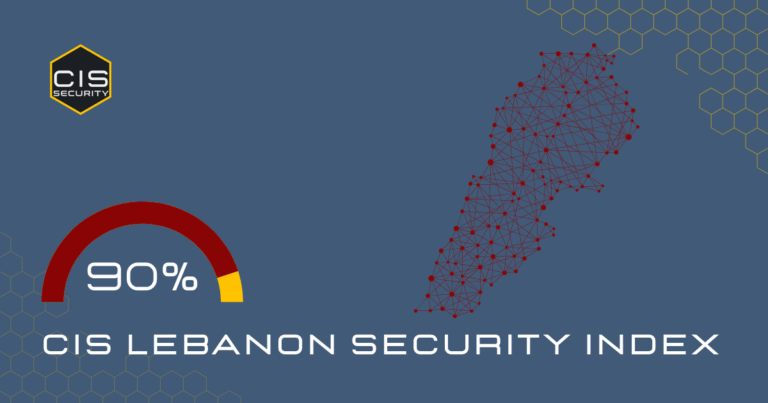
INDEX LEVEL: 🔴🔴 CRITICAL — ELEVATED TO NEAR-WAR FOOTING OVERALL INDEX: 93/100 TREND: ⬆️⬆️ SHARPLY ESCALATING HEADLINE: US ORDERS EMBASSY DRAWDOWN IN BEIRUT — ISRAEL THREATENS TO BOMB BEIRUT AIRPORT — LEBANESE ARMY FIRES BACK AT ISRAELI FORCES — BEKAA MASSACRE DEATH TOLL CLIMBS — IRAN–US NUCLEAR TALKS TODAY IN GENEVA — ALL OF LEBANON ON EVE-OF-WAR ALERT
⚠️ CIS SECURITY SPECIAL NOTICE: Lebanon is currently operating at its highest risk level since the November 2024 ceasefire. The convergence of a US embassy drawdown, an Israeli threat to strike civilian infrastructure including Beirut airport, the Lebanese Army firing on Israeli forces for the first time, active Bekaa Valley strikes with civilian casualties, and US-Iran nuclear talks today in Geneva — all occurring simultaneously during Ramadan — constitutes a genuine near-war scenario. All clients should immediately review emergency plans.
🚨 BREAKING DEVELOPMENTS — TUESDAY FEBRUARY 24, 2026
🔴🔴 BREAKING #1 — US ORDERS EMBASSY DRAWDOWN FROM BEIRUT: “IMMINENT MILITARY STRIKE” FEARED
[AP, PBS, CBC, Military.com, Al Jazeera — Confirmed February 23, active today]
In the single most significant security signal for Lebanon in months, the United States has ordered nonessential diplomats and their family members at the U.S. Embassy in Beirut to leave Lebanon, the State Department said Monday, as tensions over Iran rise with the threat of a potentially imminent military strike.
The move comes as the US continues to amass military assets in the Middle East, with President Donald Trump threatening to attack Iran almost daily. The departure is described as a temporary measure; the U.S. Embassy remains operational with core staff in place.
Why this matters for Lebanon specifically: Changes in the staffing status of the embassy in Beirut have often been seen as a bellwether for potential U.S. or Israeli military action in the region, particularly against Iran. A similar ordered departure was imposed for Beirut and other embassies in the region, including in Iraq, shortly before President Donald Trump ordered military strikes against Iranian nuclear facilities last June.
The US Embassy in Lebanon evacuated dozens of staff on Monday via Beirut’s Rafik Hariri International Airport as a precaution amid expected regional developments, LBCI Lebanon News reported.
🔴🔴 BREAKING #2 — ISRAEL DIRECTLY THREATENS BEIRUT AIRPORT AND CIVILIAN INFRASTRUCTURE
[Reuters, Times of Israel, Haaretz — Confirmed today, February 24]
In a dramatic and alarming escalation, Israel has sent an indirect message to Lebanon that it would strike Lebanon hard, targeting civilian infrastructure, including the airport, in the event that Hezbollah gets involved in any US-Iran war, two senior Lebanese officials say.
This is an explicit threat to destroy Lebanon’s primary international gateway — Rafik Hariri International Airport — and is the most direct Israeli threat to Lebanese civilian infrastructure since the 2006 war. The threat is explicitly conditional on Hezbollah involvement in any US-Iran conflict, but given the trajectory of events — and Hezbollah’s own statements — this cannot be dismissed as a remote contingency.
Trump is holding off on ordering an Iran strike until after talks with the country in Geneva on Thursday, The Guardian reported. That means the next 48 hours — encompassing today’s and Thursday’s Geneva talks — are potentially the most consequential window for whether war erupts or is averted.
🔴🔴 BREAKING #3 — LEBANESE ARMY FIRES BACK AT ISRAELI FORCES — MARJAYOUN BORDER POST
[Haaretz, Devdiscourse — Confirmed today, February 24]
In an unprecedented and highly significant development, the Lebanese army command announced on Tuesday that it would reinforce a border post in the southern Marjayoun area after reporting that the position came under fire from the Israeli side. According to statements shared on the platform X, the army has been instructed to respond to the source of the Israeli fire.
This is one of the clearest instances of the Lebanese Armed Forces formally ordering a response to Israeli fire since the ceasefire. The Lebanese Army ordering its troops to return fire on Israeli forces marks a critical threshold — even a minor exchange of fire between national armies carries severe escalation risk, particularly given the current Iran-war backdrop. This incident is occurring in the Marjayoun District, one of the most active Israeli ground-operation zones along the Blue Line.
🔴 BREAKING #4 — ANSAR–ZARARIYEH STRIKES TODAY: NORTH OF LITANI UNDER FIRE AGAIN
[Lebanon LiveUAMap — Confirmed today, February 24]
Two Israeli raids targeted the area between Ansar and Al-Zarariyeh, north of the Litani River, with columns of smoke and flames rising. These strikes are in the Sidon district — squarely inside Phase 2 disarmament territory — further undermining Lebanese government efforts to implement disarmament while under active Israeli bombardment.
President Aoun condemned the raids: Israeli raids reflect a disregard for the will of the international community and UN resolutions, specifically Resolution 1701.
🔴 BREAKING #5 — AIN EL-HILWEH CAMP STRIKE: 3 DEAD — HAMAS HEADQUARTERS CLAIMED
[LiveUAMap, Al Jazeera — Confirmed today, February 24]
At least 3 dead in an Israeli raid on Ain al-Hilweh camp in southern Lebanon. Claiming to target a Hamas headquarters, Israel launched an airstrike on the Hattin neighborhood in the Ain al-Hilweh refugee camp in southern Lebanon.
This is the second Israeli strike on Ain el-Hilweh — Lebanon’s largest Palestinian refugee camp — in days. The February 20 strike killed two people. Lebanon’s Ministry of Public Health confirmed casualties and NNA reported that the strike caused significant damage to a building that had previously been used by the joint Palestinian force responsible for the camp’s security, but was now being rented by an individual to operate a kitchen distributing food aid. Hamas condemned both attacks as targeting civilians and aid distribution.
🔴 BREAKING #6 — BEKAA VALLEY MASSACRE (FEB 20): CONFIRMED 12–14 DEAD, INCLUDING 3 COMMANDERS
[Reuters, Al Jazeera, Times of Israel, Haaretz — FDD LWJ weekly chronology]
The deadliest post-ceasefire strike week now has a fully confirmed toll. On February 20, Israeli airstrikes in the Baalbek area killed ten people, including eight Hezbollah members, and injured 24 others. Three of the dead were identified as local Hezbollah commanders.
Three of the commanders killed in the Riyaq area strikes were identified as Ali al-Moussawi, Mohammed al-Moussawi, and Hussein Yaghi. Yaghi was the son of a prominent Hezbollah official and one of its founders, Mohammed Yaghi, who died in 2023. The dead also included two non-Lebanese nationals — a Syrian man and an Ethiopian woman. The wounded included five Syrians and three Ethiopians.
The strikes were meant to degrade Hezbollah’s rocket and missile capabilities in case the group sought to resume hostilities as tensions between Iran and the United States remain high. IDF sources said the Israeli military had identified preparations by Hezbollah’s rocket and missile forces to strike Israel if the United States targets Iran.
Critically: On February 21, Arab media reported that IRGC officers took responsibility for supervising Hezbollah’s activities, increasing its military preparedness in anticipation of an Israeli or American attack amid the Iran–United States crisis.
Local reports from the Baalbek-Hermel Governor’s office indicate that the death toll includes at least nine civilians, with up to 50 others injured, including children. Rescue teams from the Lebanese Civil Defense spent the night searching through the rubble of a residential building in Riyaq that was leveled during the attack.
🔴 BREAKING #7 — IRAN–US NUCLEAR TALKS: THIRD ROUND IN GENEVA TODAY (FEB 26 NEXT ROUND)
[Oman FM, PBS, NBC, Euronews, US News — Confirmed today]
The United States and Iran will hold their next round of nuclear talks Thursday in Geneva, as the Islamic Republic faces both the threat of a U.S. military strike and new protests at home. Oman’s foreign minister, Badr al-Busaidi, confirmed the talks.
Oman’s foreign minister said in a post on X that talks were confirmed for Thursday in Geneva “with a positive push to go the extra mile towards finalising the deal.” A fourth round is already scheduled for February 26.
The core impasse: Trump’s team reportedly again demanded in Geneva that any agreement must permanently block Iran’s pathway to a nuclear weapon by dismantling Iran’s infrastructure to enrich uranium. Yet Tehran reportedly offered only to suspend enrichment for three to five years — a timeframe that would extend beyond Trump’s time in office.
Iran’s FM Araghchi told CBS that Iran has the right to enrich uranium. On the other side, Iran says it hasn’t been enriching uranium since US and Israeli strikes on Iranian nuclear sites in June. Araghchi asserted that “we have a very good capability of missiles, and now we are even in a better situation” than before the strikes in June.
Iranian Foreign Affairs Ministry spokesperson Baghaei addressed the US threat of military action, saying the Islamic Republic would “never be influenced by threats” and would “insist on Iran’s national interests.” He added that there was “no such thing as a limited attack,” after Trump confirmed he was considering a more limited initial strike to force Tehran into concessions.
THE BOTTOM LINE FOR LEBANON: Every day that US-Iran talks continue without a deal is another day Lebanon sits on a knife’s edge. Thursday’s Geneva round (today) is the critical junction. Failure = sharply elevated war risk by the weekend.
🔴 BREAKING #8 — IRGC NOW DIRECTLY SUPERVISING HEZBOLLAH WAR PREPARATIONS IN LEBANON
[Wikipedia citing Arab media, FDD LWJ, Times of Israel — Confirmed Feb 21]
This is one of the most alarming intelligence revelations of the week. According to Israeli assessments, Iran has recently been pressuring Hezbollah to fight alongside it in the event of a war with Israel. During the 12-day war with Iran in June, Hezbollah secretary general Naim Qassem received several requests — not orders — from Iran to join the conflict, but declined.
Al Arabiya, quoting unnamed sources close to Hezbollah, alleged that the group was bracing for an Israeli attack and drawing up battle plans, while Iran’s Islamic Revolutionary Guard Corps was meeting with members of Hezbollah’s missile unit at a site in Lebanon’s Bekaa Valley — the same site bombed by Israel on February 20.
IDF sources said that, in the event of a conflict between the US and Iran, Tehran can be expected to activate its proxy forces arrayed around the region against Israel, including Hezbollah, Yemen’s Houthis and militias in Iraq.
🔴 BREAKING #9 — IDF ESCALATES “AGGRESSIVE APPROACH” ORDER — 400+ KILLED SINCE CEASEFIRE
[Times of Israel, FDD LWJ — Confirmed Feb 22-23]
By mid-week of the prior week, Major General Rafi Milo, head of the IDF’s OC Northern Command, ordered his forces to adopt a more aggressive approach against Hezbollah’s regeneration efforts. This effort emphasises targeted killings, strikes on military infrastructure including tunnel shafts and weapons depots, and expanded freedom of action for IDF forces in southern Lebanon.
The Israeli military in recent weeks has stepped up airstrikes against Hezbollah in Lebanon, with assessments indicating that the Iran-backed armed group may join Tehran in a new conflict against Israel. The IDF said it has killed over 400 Hezbollah operatives and members of allied terror groups since the ceasefire began.
🔴 BREAKING #10 — HEZBOLLAH CALLS FEBRUARY 20 BEKAA STRIKES A “MASSACRE”; URGES CEASEFIRE COMMITTEE WITHDRAWAL
[Antiwar.com, confirmed Feb 22]
Hezbollah framed the weekend attack as a “massacre” and suggested both that the government should stop participating in the ceasefire committee, and that Hezbollah itself increasingly has no options left but resistance to Israeli aggression.
This marks a significant hardening of Hezbollah’s public posture. Having previously maintained strategic restraint since the ceasefire (only one retaliatory strike in 14 months), Hezbollah is now using the language of resistance and calling on Lebanon’s government to withdraw from the ceasefire monitoring mechanism. If Hezbollah formally withdraws support for the ceasefire framework, the agreement collapses entirely.
🔴 BREAKING #11 — IRAN PROTESTS RESUME; STUDENTS CHANT “KHAMENEI IS A KILLER”
[Iran International, NBC — Confirmed Feb 22-23]
Students at the Faculty of Engineering at the University of Tehran chanted “Khamenei is a killer” during a rally, according to video received by Iran International. This comes on the back of mass anti-government protests in January that saw thousands killed in a brutal crackdown, and now represents a resurgence of domestic pressure on the Iranian regime at the most sensitive possible moment in nuclear negotiations.
Iran was jolted by resurgent anti-government protests over the weekend, as Washington sought to build pressure on Tehran to accede to its demands ahead of new nuclear talks amid a massive American military buildup. Iranian state news agencies reported student demonstrations at five universities in the capital and one in the city of Mashhad.
Lebanon implication: Internal pressure on Iran’s regime is a double-edged sword — it may incentivise deal-making to relieve external pressure, OR it may incentivise military brinkmanship to rally nationalist sentiment. Both pathways affect Hezbollah’s calculus in Lebanon.
🔴 BREAKING #12 — HEZBOLLAH CALLS DISARMAMENT PARTICIPATION “A GRAVE SIN”; PHASE 2 IN CRISIS
[Times of Israel, Al Jazeera — Confirmed Feb 18-22, ongoing]
Hezbollah Secretary-General Naim Qassem called government disarmament efforts “a major mistake.” Shi’ite ministers walked out of the cabinet. Hezbollah lawmaker Hassan Fadlallah: “we cannot be lenient.” The Lebanese Army’s Phase 2 disarmament plan — covering the Litani-to-Awali corridor — officially started February 19 but faces total Hezbollah non-cooperation. The army’s approach of securing weapons through “understandings rather than confrontation” is now being tested in real time.
🌡️ GOVERNORATE-BY-GOVERNORATE ASSESSMENT — TUESDAY FEBRUARY 24, 2026
🏙️ BEIRUT
Index: 90/100 🔴🔴 | Trend: ⬆️⬆️ CRITICAL ESCALATION
Beirut has crossed into the highest risk band in this index’s history. The US Embassy drawdown — confirmed yesterday and continuing today — is the most credible single indicator of imminent regional military escalation since the index began. The historical precedent is explicit: a near-identical drawdown preceded last June’s US-Israeli strikes on Iran.
The Israeli threat to bomb Beirut’s Rafik Hariri International Airport — publicly relayed by two senior Lebanese officials today — transforms a foreign policy crisis into an immediate threat to millions of Lebanese civilians who depend on the airport as their lifeline. The airport evacuation of US Embassy staff has already begun.
President Aoun is facing the worst week of his presidency. He is simultaneously managing: Israeli strikes on Lebanese territory he has condemned; an Israeli threat to bomb civilian infrastructure; a Hezbollah refusing disarmament; Lebanese Army troops ordered to return Israeli fire in Marjayoun; and US-Iran nuclear talks whose failure could ignite a war dragging Lebanon into catastrophe.
The Paris conference (March 5) is now 9 days away. Its timing could not be more precarious — it may either prove irrelevant if war erupts, or become an urgent wartime fundraiser if diplomacy holds.
KEY ACTIONS TODAY: Prepare personal emergency plans. Identify alternate departure routes from Beirut. Monitor US travel advisories continuously. All travel to and from Rafik Hariri International Airport should be assessed against the Israeli threat to target the airport.
🏞️ MOUNT LEBANON
Index: 82/100 🔴 | Trend: ⬆️ Escalating
Mount Lebanon’s risk has risen sharply with the airport threat. If Rafik Hariri Airport is struck, Mount Lebanon — its immediate surroundings and access routes — becomes a direct conflict zone. The airport is located in the southern Beirut suburbs; any strike would affect communities across Mount Lebanon and Beirut.
Fuel protest disruptions have mostly subsided from their peak (February 17-18) but economic hardship continues into Ramadan’s second week. The Lebanese pound has come under renewed pressure amid crisis headlines. Displaced southern families concentrated in Mount Lebanon face worsening conditions as reconstruction support remains critically inadequate.
The Iran-war threat has suppressed any economic recovery signals: commercial confidence is at its lowest since the 2024 war, and the property sector has frozen.
🌊 NORTH LEBANON & TRIPOLI
Index: 80/100 🔴 | Trend: Stable-Elevated
North Lebanon is not a direct kinetic threat zone today but is acutely affected by the systemic national crisis. Tripoli’s economic devastation deepens: the building collapse crisis (14 dead last week), fuel price hardships, and displacement from the south have combined to create one of Lebanon’s worst humanitarian situations outside the active conflict zones.
The Syria border situation adds specific risk for the north: Lebanon-Syria tensions over former Assad-regime figures remain unresolved. Any wider regional escalation — particularly one involving Iran and Hezbollah — would directly affect cross-border dynamics via the north and Akkar.
🌲 AKKAR
Index: 82/100 🔴 | Trend: Elevated
Akkar’s proximity to Syria creates ongoing specific vulnerability. Four Syria-Lebanon border crossings bombed by Israel on January 22 remain affected. The Bekaa-Akkar corridor is strategically important for any Iranian resupply of Hezbollah and therefore a potential future Israeli targeting priority.
Economic conditions in one of Lebanon’s poorest governorates are critically stressed. The Ramadan period, rather than bringing relief, has brought higher costs and continued displacement. Lebanese Army border operations continue at an elevated tempo.
🍇 BEQAA VALLEY
Index: 95/100 🔴🔴 | Trend: ⬆️⬆️ NEAR-WAR LEVEL
The Bekaa Valley is today the highest-risk governorate in Lebanon and one of the highest-risk civilian zones in the entire Middle East region. Every major escalation driver converges here:
IRGC Operational Presence Confirmed: IRGC officers are meeting with Hezbollah’s missile units in the Bekaa. The site bombed on February 20 was a confirmed IRGC-Hezbollah operational coordination point. This makes the Bekaa a de facto Iran proxy forward base — and therefore the highest-priority preemptive target for both Israel and potentially the United States.
February 20 Massacre: Confirmed Civilian Casualties: The Riyaq-Baalbek-area strikes killed 10-14 people (12 per the Lebanese Health Ministry), including three Hezbollah commanders but also Syrian and Ethiopian civilians. Rescue teams operated for two days. An attack on a building in the town of Riyaq in the Bekaa governorate left more than 10 dead and at least 30 wounded, according to updated figures. Rescue teams continued to sift through the debris in search of survivors, the air thick with dust and dread.
Today’s Ansar-Zarariyeh Strikes: Active Israeli airstrikes confirmed today (February 24) in the north-of-Litani zone, extending Israel’s reach further into Phase 2 territory.
Glyphosate/Herbicide Contamination: Bekaa agricultural land near the Blue Line remains contaminated from the February 1 spraying. UN OHCHR has flagged serious long-term damage to livelihoods. Farmers cannot safely work their land during Ramadan.
Phase 2 Disarmament: The Bekaa is Phase 3-4 in Lebanon’s disarmament plan. With Hezbollah rejecting Phase 2 and IRGC officers actively present, enforcement in the Bekaa is a distant prospect.
TRAVEL ADVISORY: Do not travel to the Bekaa Valley. This is not a theoretical warning — it is a current active conflict zone with documented ongoing operations, confirmed IRGC presence, and immediate war-level escalation risk.
🕌 BAALBEK-HERMEL
Index: 96/100 🔴🔴 | Trend: ⬆️⬆️ HIGHEST IN COUNTRY
Baalbek-Hermel is today rated the highest-risk zone in Lebanon — sharing the top position with the Bekaa generally. This is Hezbollah’s core heartland, the confirmed location of missile storage and command centres struck February 20, and the area where IRGC officers are directly coordinating with Hezbollah missile units.
The February 20 strikes in Riyaq and around Baalbek — killing three named Hezbollah commanders including a son of one of Hezbollah’s founders — represent the highest-profile targeted killings in this region since the ceasefire. The Baalbek-Hermel Governor confirmed 9 dead and 40 wounded. IDF sources were explicit that the purpose of these strikes was to degrade Hezbollah’s ability to launch missiles at Israel in the event of a US-Iran conflict.
Any US-Israeli strike on Iran would make Baalbek-Hermel the immediate theatre of intense Israeli preemptive and responsive strikes. Civilian populations in Nabi Sheet, Riyaq, Baalbek, Hermel and surrounding villages face existential risk in this scenario.
Ramadan observances are taking place under continuous threat and deep trauma from last week’s civilian casualties, including children among the 50+ wounded.
TRAVEL ADVISORY: Highest danger zone in Lebanon. Avoid completely. No non-essential activity or presence in this governorate is justifiable given the current risk environment.
🏛️ KESERWAN-JBEIL
Index: 77/100 🔴 | Trend: Stable-Elevated
Keserwan-Jbeil remains outside the current active strike zones but faces the same systemic escalation risks as all of Lebanon. The airport threat is particularly salient here given the region’s dependence on international commerce and tourism. Any attack on Rafik Hariri Airport — located in the southern Beirut suburbs adjacent to this governorate’s approaches — would devastate the regional economy.
The Ramadan economic situation continues to be acutely stressed. Election campaign activity is intensifying as the May 10 vote approaches (74 days away), with security and disarmament dominating political messaging.
🌴 SOUTH LEBANON
Index: 95/100 🔴🔴 | Trend: ⬆️ Critical-Active
South Lebanon remains among the most dangerous areas in the country, with multi-type Israeli operations continuing across the full breadth of the governorate.
Lebanese Army Fires Back in Marjayoun — Today: The Marjayoun border post incident today is without precedent since the ceasefire — the Lebanese Army formally ordering troops to return Israeli fire. Marjayoun District has been subjected to near-daily Israeli operations: house demolitions, stun grenade drops, machine-gun fire, artillery — the FDD LWJ February 16-22 chronology documents operations in Adaisseh, Houla, Khiam, Markaba, and Sarda-Wazzani in this district alone. Today’s shooting at a Lebanese Army observation post and the army’s ordered response represents a potential flashpoint that could spiral rapidly.
February 16-22 Confirmed Operations (FDD LWJ): Between February 16 and February 22, 2026, Israeli operations in Lebanon killed 14 people — 10 of them Hezbollah operatives and two Hamas operatives — and wounded 27 individuals. Operations spanned drone targeted killings in Hanine, Merkava tank fire on Aitaroun, artillery on Ayta al-Shaab, stun grenades across Marjayoun and Bint Jbeil districts.
Five Occupied Israeli Positions: Israel continues to occupy five strategic hilltop positions on Lebanese sovereign territory. The Lebanese Army states these are the only areas in south Lebanon where it was unable to fully operate. These positions are the launch platforms for ground incursions including today’s Marjayoun incident.
Aita al-Shaab: 52 residents remain from a pre-war population of 15,000. The mayor has formally stated that Israeli operations constitute “a strategy to pressure residents and force gradual displacement.”
Glyphosate Contamination Zone: Agricultural land near the Blue Line confirmed contaminated with toxic herbicide. Do not approach.
Ain el-Hilweh Strike Today: Three dead confirmed in today’s strike on the camp on the outskirts of Sidon, extending Israeli targeting to Palestinian civilian infrastructure within the South Lebanon Governorate.
⛪ NABATIEH
Index: 93/100 🔴🔴 | Trend: Critical-Active
Nabatieh continues to absorb some of the highest rates of Israeli ground and aerial operations anywhere in Lebanon. The FDD LWJ February 16-22 chronology documents operations across Bint Jbeil District (Aitaroun, Ayta Ash Shaab, Hanine, Maroun al Ras, Yaroun) and Marjayoun District (Adaisseh, Houla, Khiam, Markaba, Sarda-Wazzani) during the prior week alone.
Today’s Lebanese Army firing order at Marjayoun is the direct product of this sustained pressure. Israeli forces at the Tel Hamames outpost — one of the five occupied Israeli positions — have repeatedly fired on Lebanese Army and UNIFIL operations in the Marjayoun area. The decision by the Lebanese Army to formally order a response today suggests that the army’s tolerance for Israeli fire has reached a limit.
Hezbollah committed to the ceasefire in order to give the Lebanese state, government, and army the opportunity to implement the ceasefire and achieve demands through diplomatic means. But that ceasefire has now been violated more than 11,000 times by Israel — keeping approximately 64,000 Lebanese displaced. In Nabatieh, families like those of Aita al-Shaab, Khiam, and Yaroun are living this reality daily.
🎯 CRITICAL THREAT TIERING — TUESDAY FEBRUARY 24, 2026
🔴🔴 TIER ZERO — EXISTENTIAL / NEAR-WAR THREATS (TODAY)
| # | Threat | Location | Status |
|---|---|---|---|
| 1 | US-Iran nuclear talks failure → war | All Lebanon | ACTIVE — Talks today in Geneva |
| 2 | Israel threat to bomb Beirut airport | Beirut / All Lebanon | CONFIRMED — Israeli message delivered today |
| 3 | Israeli preemptive strikes on Hezbollah-Iran missile sites | Bekaa/Baalbek | ACTIVE — Operations ongoing |
| 4 | IRGC-supervised Hezbollah war mobilisation | Bekaa Valley | CONFIRMED — IDF sources, Arab media |
🔴 TIER 1 — ACTIVE KINETIC THREATS (TODAY)
| # | Threat | Location | Status |
|---|---|---|---|
| 5 | Lebanese Army fires back at Israeli forces | Marjayoun (Nabatieh) | ACTIVE NOW |
| 6 | Ansar-Zarariyeh strikes | Sidon District (South) | TODAY — Confirmed |
| 7 | Ain el-Hilweh camp strike | Sidon outskirts | TODAY — 3 dead confirmed |
| 8 | Near-daily Bekaa/Baalbek operations | Bekaa/Baalbek-Hermel | Ongoing — 12+ killed last Friday |
| 9 | Blue Line glyphosate contamination zone | All border areas | Health emergency — ongoing |
| 10 | Five Israeli-occupied positions | South Lebanon | Active — launch points for incursions |
⚠️ TIER 2 — STRATEGIC/ESCALATION RISKS (NEXT 7 DAYS)
| # | Threat | Timeline |
|---|---|---|
| 11 | Geneva nuclear talks failure (today/Feb 26) | THIS WEEK |
| 12 | Israeli pre-emptive strike on Hezbollah before Iran action | Days to weeks |
| 13 | Hezbollah activating missiles in response to Iran strike | Hours after any Iran strike |
| 14 | Lebanese Army-Hezbollah confrontation during Phase 2 | Weeks |
| 15 | Collapse of ceasefire framework | Ongoing risk |
| 16 | Paris conference undermined by escalation | March 5 |
| 17 | Electoral polarisation over disarmament/war | 74 days to May 10 elections |
🌙 RAMADAN RAMADAN SECURITY NOTE — DAY 7
Ramadan Day 7 falls today, February 24, in the gravest security environment Lebanon has faced since the ceasefire. The traditional sanctity of the holy month offers no protection from Israeli operations, which have continued at full tempo across South Lebanon, Nabatieh, and the Bekaa.
Families observing Ramadan in Baalbek-Hermel, the Bekaa, Nabatieh, and South Lebanon are doing so under active threat of Israeli strikes, the shadow of Hezbollah-Iran war mobilisation, and a US embassy drawdown that signals proximity to regional conflict.
CIS Security extends Ramadan Mubarak to all Lebanese communities, with the deepest respect and solidarity for those observing the holy month under these extraordinary circumstances.
📊 LEBANON STATUS DASHBOARD — FEBRUARY 24, 2026
| Domain | Status | Change Since Feb 19 |
|---|---|---|
| US Embassy Beirut | Drawdown ordered | 🆕🔴 Critical escalation signal |
| Israel airport threat | Confirmed — conditional on Hezbollah/Iran | 🆕🔴 New direct civilian threat |
| Lebanese Army fires back | Marjayoun — ordered to respond | 🆕🔴 Unprecedented since ceasefire |
| Today’s Strikes | Ansar-Zarariyeh, Ain el-Hilweh | 🔴 Active |
| Feb 20 Bekaa toll | 12-14 dead, 50 wounded, 3 Hezbollah commanders | ⬆️ Confirmed/Rising |
| IRGC in Lebanon | Confirmed supervising Hezbollah missile units | 🆕🔴 Confirmed |
| Iran-US nuclear talks | Today in Geneva (3rd round); Feb 26 (4th) | 🕐 Decisive window |
| IDF “aggressive approach” order | In effect — Gen. Milo’s order Feb ~18 | ⬆️ Escalation confirmed |
| Hezbollah Phase 2 rejection | Complete — calls it “grave sin” | 🔴 Unchanged |
| Phase 2 status | Launched Feb 19 — army using “understandings” | ⚠️ Fragile |
| IDF-killed since ceasefire | 400+ Hezbollah/Hamas operatives | ⬆️ Rising |
| Civilians killed since ceasefire | 127+ confirmed | ⬆️ Rising |
| Displaced | ~64,000 | No improvement |
| UNIFIL violations | 11,000+ | ⬆️ Rising |
| Paris Conference | March 5 — Macron/Aoun co-chair | 🕐 9 days |
| Lebanese Elections | May 10, 2026 | 🕐 74 days |
| Glyphosate contamination | Blue Line agricultural zones | 🔴 Unresolved |
| Israel occupied points | 5 positions | No change |
📱 SECURITY GUIDANCE — FEBRUARY 24, 2026
🚨 EMERGENCY GUIDANCE — BEIRUT AND AIRPORT:
The Israeli threat to strike Beirut’s Rafik Hariri International Airport is the single most urgent security advisory issued in this index. All persons planning travel through Rafik Hariri Airport should:
- Monitor the security situation hourly
- Have alternative departure/evacuation plans via land border (Masnaa/Syria if safe, or Naqoura/maritime)
- If travel is non-essential, delay until the outcome of today’s and Thursday’s Geneva nuclear talks is known
- Ensure personal emergency documents and medications are immediately accessible
🏠 FOR ALL RESIDENTS:
BAALBEK-HERMEL AND BEKAA: Evacuate or shelter in most protected available location. Do not travel. IRGC-Hezbollah activity in your governorate makes it the primary preemptive target in any Iran-related conflict.
SOUTH LEBANON AND NABATIEH: Active operations confirmed today. Lebanese Army firing on Israeli positions — do not travel anywhere near the Blue Line, Marjayoun, or Bint Jbeil. Zero civilian activity justified in these areas.
BEIRUT: Prepare emergency plans. Have a go-bag with documents, medications, and essential items. Know your building’s structure and shelter-in-place options. Monitor LBCI, NNA, and credible international outlets continuously.
ALL GOVERNORATES: Given the US Embassy drawdown and airport threat, consider the following NOW:
- Where are your critical documents?
- Do you have a designated family emergency meeting point?
- What is your plan if Beirut Airport becomes inoperable?
- Do you have sufficient food, water, and medication for 72-96 hours?
🚗 TRAVEL ADVISORY:
| Zone | Status | Reason |
|---|---|---|
| Baalbek-Hermel | ❌ AVOID ENTIRELY | IRGC present; active Hezbollah missiles; primary preemptive strike target |
| Bekaa Valley | ❌ AVOID ENTIRELY | Near-daily strikes; Feb 20 massacre zone; escalation epicentre |
| South Lebanon / Nabatieh | ❌ AVOID ENTIRELY | Army-Israel exchange today; active operations; 5 occupied positions |
| Blue Line area | ❌ NEVER APPROACH | Glyphosate contamination; active fire; ground incursions |
| Ain el-Hilweh / Sidon outskirts | ❌ AVOID | Third strike in days; Hamas targeting |
| Rafik Hariri Airport | ⛔ ASSESS BEFORE TRAVEL | Israeli airport threat — conditional but credible and real |
| Sidon city centre | ⚠️ HIGH CAUTION | Phase 2 zone; nearby Ansar-Zarariyeh strikes today |
| Beirut | ⚠️ HIGH ALERT | Prepare emergency plans; monitor continuously |
| Mount Lebanon | ⚠️ CAUTION | Airport threat; economic unrest; Iran risk applies nationally |
🛡️ CIS SECURITY PROFESSIONAL SERVICES
🌙 RAMADAN DAY 7 — NEAR-WAR CRISIS OPERATIONS
Trusted Security Excellence Since 1990 — “Because Your Safety Isn’t Optional” Lebanon’s Most Reviewed Security Company | 35+ Years | Available 24/7
IMMEDIATE CRISIS SERVICES — FEBRUARY 24, 2026:
Emergency Evacuation Planning US Embassy drawdown and airport threat require immediate contingency planning for all clients. CIS Security provides professional evacuation route assessment, convoy security, and emergency logistics coordination for individuals, families, and organisations.
War Contingency Security Assessments Scenario planning for: (A) US-Iran conflict erupts; (B) Israeli strikes on Beirut airport/suburbs; (C) Hezbollah re-mobilisation; (D) Lebanese civil security breakdown. Professional threat matrix and protective action options for each scenario.
Real-Time Intelligence 24/7 monitoring of: Israeli strike activity across all 9 governorates; Geneva nuclear talks developments; Lebanese Army operations; Hezbollah activity indicators; US policy signals; evacuation route status.
Bekaa and South Lebanon Emergency Support For clients with operations, families, or properties in the highest-risk zones: immediate security assessment, emergency extraction coordination, asset protection planning.
Business Continuity — Airport Threat For businesses dependent on Rafik Hariri Airport: contingency planning for supply chain, personnel travel, and emergency logistics if airport becomes inoperable or unsafe.
Community Ramadan Protection Enhanced protection for Ramadan gatherings in elevated-risk zones: mosques, iftar events, community meetings. Professional security detail and threat assessment.
📞 CONTACT CIS SECURITY
Emergency 24/7 Hotline: +961-3-539900 Website: www.cissecurity.net
Full services: Protective detail | Emergency evacuation | Crisis intelligence | Route security | War contingency planning | Business continuity | Community protection
Serving all Lebanese governorates: Beirut | Mount Lebanon | North Lebanon & Tripoli | Akkar | Bekaa | Baalbek-Hermel | Keserwan-Jbeil | South Lebanon | Nabatieh
⚠️ CRITICAL OPERATIONAL NOTICE — TUESDAY FEBRUARY 24, 2026
THIS IS A NEAR-WAR SECURITY ENVIRONMENT. The CIS Lebanon Security Index has reached 93/100 — its highest level since this publication began. The convergence of the US Embassy drawdown, Israeli airport threat, Lebanese Army returning Israeli fire, active Bekaa Valley strikes, IRGC supervision of Hezbollah missile mobilisation, and US-Iran nuclear talks at their decisive juncture means that Lebanon today faces its highest risk of catastrophic conflict since November 2024.
THE NEXT 48-72 HOURS ARE CRITICAL. The outcome of today’s and Thursday’s Geneva nuclear talks will substantially determine whether Lebanon is dragged into a regional war. Monitor continuously.
ALL CLIENTS: Review emergency plans TODAY. Do not wait.
CIS Lebanon Security Index™ | Tuesday, February 24, 2026 | Ramadan Day 7 Compiled from verified sources published today and within 24-48 hours: Reuters, AP, Al Jazeera, PBS NewsHour, CBC, Military.com, NBC News, Euronews, Haaretz, Times of Israel, Iran International, Lebanon LiveUAMap, FDD’s Long War Journal (Feb 16-22 weekly chronology), NNA Lebanon, Antiwar.com, The Soufan Center, US News, GlobalSecurity.org, Wikipedia (Hezbollah-Israel conflict page). All events cited are from named, credible verified news sources. Index compiled 17:00 Lebanon time, Tuesday February 24, 2026.
CIS SECURITY
Because Your Safety Isn’t Optional
🎯 LEBANON SECURITY INDEX™
Powered by Advanced Intelligence Partnership
Daily Security Intelligence Dashboard LIVE RAGEX Intelligence Partner FEATURED