CIS LEBANON SECURITY INDEX – Dec 20 2025
CIS LEBANON SECURITY INDEX – Dec 20 2025
📊 TODAY’S LEBANON SECURITY INDEX READING
INDEX LEVEL: 🔴 CRITICAL
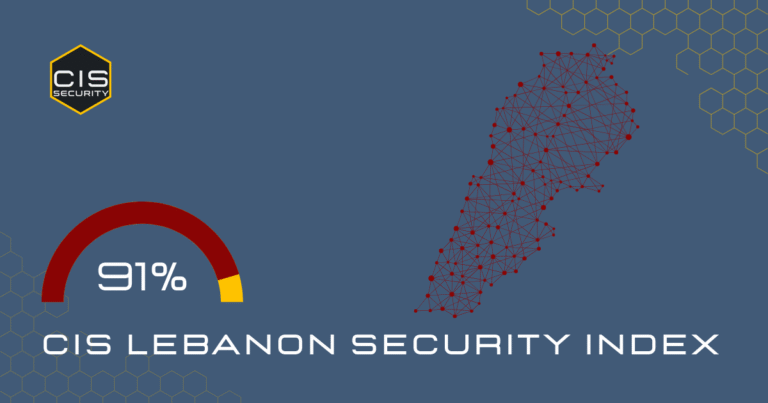
TODAY’S OVERALL INDEX: 79/100
TREND ANALYSIS: ⚠️ CAUTIOUS MOMENTUM – SECOND DIRECT TALKS COMPLETED, CEASEFIRE FRAGILE
🚨 BREAKING: LEBANON-ISRAEL HOLD 15TH MEETING AS DIPLOMATIC PRESSURE INTENSIFIES
CRITICAL DEVELOPMENTS – SATURDAY, DECEMBER 20, 2025:
FRIDAY’S HISTORIC SECOND DIRECT TALKS: Israel and Lebanon held their second round of direct civilian talks yesterday (December 19) in Naqoura, marking the 15th meeting of the ceasefire monitoring committee since the November 2024 truce. This represents continued diplomatic engagement despite ongoing violations.
UPGRADED ISRAELI REPRESENTATION: Israel’s Deputy National Security Adviser Joseph (Yossi) Draznin participated in Friday’s talks, replacing Uri Resnick who attended the December 3 first meeting, thus raising the level of Israeli participation and demonstrating increased seriousness about diplomatic engagement.
LEBANESE PRIORITIES EMPHASIZED: President Joseph Aoun stressed the priority of returning displaced residents to their border villages following Friday’s meeting with Lebanese diplomat Simon Karam. The presidency stated the committee would reconvene on January 7, 2026, ensuring continued diplomatic momentum.
US EMBASSY STATEMENT: The US embassy in Beirut confirmed military participants offered “operational updates” and agreed on strengthening the Lebanese army as guarantor of security south of the Litani River. Civilian participants focused on conditions for safe resident returns, reconstruction advancement, and economic priorities.
CONTINUED ISRAELI STRIKES: Despite diplomatic engagement, Israel launched a series of air strikes across Lebanon on Thursday (December 18), hitting al-Qatrani and other southern villages. The IDF claims it targeted Hezbollah military operatives and infrastructure, continuing the pattern of hundreds of strikes despite the ceasefire.
ISRAELI OCCUPATION PERSISTS: The Israeli army still occupies more than 10 square kilometers (about 4 square miles) of Lebanese territory along the border, with troops stationed at five strategic positions despite ceasefire requirements for complete withdrawal.
OVER 88,000 STILL DISPLACED: More than 88,000 Lebanese remain displaced from their homes in southern border regions, unable to return safely due to ongoing Israeli military operations and occupation of their villages.
INTERNATIONAL DIPLOMATIC ACTIVITY: Egyptian Prime Minister Mostafa Madbouly visited Beirut on Thursday-Friday, holding talks with PM Nawaf Salam on expanding cooperation and efforts to halt Israeli attacks. Egypt has taken on a larger regional role in Lebanese affairs following its Gaza mediation efforts.
PARIS MEETING ON DISARMAMENT: French, Saudi Arabian, and American officials met in Paris on Thursday with Lebanese army chief Rodolph Haykal, finalizing a roadmap for Hezbollah’s disarmament mechanism as an end-of-year deadline approaches for the central government to disarm the group.
UNIFIL MANDATE TERMINATION: The United Nations Security Council has unanimously voted to terminate UNIFIL’s mandate at the end of 2026, raising concerns about security vacuum as international peacekeepers prepare to withdraw after decades of presence.
HEZBOLLAH’S POSITION: Hezbollah leader Naim Qassem has slammed Lebanon’s civilian-led talks with Israel as a “free concession,” though reports indicate Iran does not object to direct negotiations and the decision is left to Amal and Hezbollah leadership.
🌡️ COMPREHENSIVE GOVERNORATE-BY-GOVERNORATE SECURITY ASSESSMENT
BEIRUT 🏙️
Index Reading: 75/100 🟡
Status: Elevated with Diplomatic Momentum. The capital manages complex diplomatic period as Lebanon conducts second round of direct civilian talks with Israel while navigating internal political tensions over engagement direction. President Joseph Aoun’s emphasis on displaced resident returns demonstrates governmental priorities balancing diplomatic engagement with sovereignty protection.
PM Nawaf Salam published a long-awaited banking law draft this week, addressing one of Lebanon’s most critical economic challenges. The law stipulates that the state, central bank, commercial banks, and depositors will share losses accrued from the financial crisis, representing significant progress toward economic reconstruction.
Egyptian PM Madbouly’s visit demonstrates growing regional diplomatic engagement with Lebanon. The discussions on expanding cooperation across sectors and halting Israeli attacks show Egypt taking larger Middle East stabilization role following Assad’s fall in Syria.
The Paris meeting on Hezbollah disarmament involving French, Saudi, and American officials with Lebanese army chief represents international coordination on security sector reform. The roadmap being finalized ahead of year-end deadline demonstrates governmental commitment to ceasefire implementation.
Government operations continue with focus on diplomatic engagement, economic reforms, and security sector development. The electricity situation shows gradual improvement under stable governmental authority, while banking sector reform draft offers hope for financial system recovery.
Key Factor: Second direct talks demonstrating diplomatic momentum while banking law draft and international coordination on disarmament show governmental capacity despite ongoing Israeli violations and displacement crisis.
MOUNT LEBANON 🏞️
Index Reading: 71/100 🟡
Status: Elevated – Stable Operations. The governorate continues normal operations with stable security environment enabling business and residential activities. The region maintains spiritual momentum from Pope Leo XIV’s November-December visit with Harissa shrine continuing to attract pilgrims following Golden Rose honor.
Business operations proceed with cautious optimism from diplomatic developments and economic reform initiatives. Tourism infrastructure supports both domestic and religious pilgrimage activities, benefiting from international attention on Lebanese Christian heritage.
The region continues hosting displaced populations from southern areas, with diplomatic talks and reconstruction discussions offering hope for eventual return possibilities as security conditions stabilize.
Infrastructure improvements proceed under stable governmental framework, while successful papal visit legacy demonstrates Mount Lebanon’s capability to support major international events and cultural activities.
Key Factor: Stable security and post-papal visit benefits providing regional prosperity while diplomatic progress offers hope for displaced population returns and broader national recovery.
NORTH LEBANON 🌊
Index Reading: 73/100 🟡
Status: Elevated with Economic Focus. Tripoli and surrounding areas monitor diplomatic developments regarding potential economic cooperation and reconstruction opportunities discussed in Friday’s Naqoura talks.
The port city continues commercial operations with interest in how economic discussions might affect regional trade and development. Cross-border coordination with Syria enters new phase following Assad regime’s December 10 fall, creating both opportunities and uncertainties for northern Lebanon.
Economic conditions show gradual improvement under stable governmental framework, while banking law draft offers prospects for financial system stabilization benefiting northern commercial activities.
Infrastructure projects proceed under governmental authority with international support, while diplomatic engagement possibilities create optimism for future reconstruction funding and development opportunities.
Key Factor: Post-Assad Syria dynamics creating new regional environment while diplomatic talks and economic reform efforts offer development opportunities for northern Lebanon’s commercial sector.
AKKAR 🌲
Index Reading: 74/100 🟡
Status: Elevated with Border Management Focus. The Syrian border situation enters new phase following Assad regime collapse, with Lebanese Armed Forces maintaining enhanced security coordination during transitional period.
Nine Lebanese individuals previously detained in Syrian prisons returned to Lebanon on December 10, two days after Assad’s overthrow, demonstrating immediate humanitarian benefits from regime change. However, families of estimated 17,000 disappeared during Lebanon’s 1975-1990 civil war continue awaiting information.
Cross-border dynamics require careful management as new Syrian authorities consolidate control. The LAF continues effective security operations while monitoring developments affecting border security and humanitarian considerations.
The region benefits from governmental stability and LAF presence, with post-Assad transition requiring enhanced vigilance regarding border security, refugee flows, and regional stability dynamics.
Key Factor: Assad regime fall creating new border dynamics requiring careful management while LAF maintains effective security during Syrian transitional period affecting northern Lebanese stability.
BEQAA VALLEY 🍇
Index Reading: 77/100 🔴
Status: Critical – Disarmament Progress. The valley experiences continued focus as Paris meeting finalized roadmap for Hezbollah disarmament ahead of year-end deadline. French, Saudi, and American officials coordinating with Lebanese army chief demonstrates international support for sovereignty establishment.
Agricultural operations continue with security precautions amid ongoing disarmament implementation. The LAF operations since September have made documented progress establishing governmental authority in areas previously inaccessible.
International development projects proceed under enhanced security protocols, while diplomatic talks create complex political environment. Hezbollah’s characterization of civilian talks as “free concession” demonstrates group’s skepticism, though reports indicate Iran does not object to negotiations.
Key Factor: Paris disarmament roadmap meeting demonstrating international coordination while Hezbollah’s opposition creates political tensions balanced by Iranian non-objection to diplomatic engagement.
BAALBEK-HERMEL 🕌
Index Reading: 79/100 🔴
Status: Critical – Monitoring Required. This region experiences ongoing attention as disarmament implementation proceeds with international coordination. The year-end deadline for governmental disarmament efforts creates pressure on implementation timeline.
Infrastructure improvements continue under governmental authority, while Friday’s diplomatic talks occurred alongside Thursday’s Israeli strikes demonstrating persistent security challenges despite engagement.
The pattern of hundreds of Israeli violations since ceasefire creates ongoing concerns, while diplomatic engagement represents governmental attempt to address violations through negotiation alongside military disarmament operations.
Key Factor: Disarmament implementation proceeding with international support while continued Israeli strikes despite diplomatic engagement demonstrate fragile security environment requiring ongoing vigilance.
KESERWAN-JBEIL 🏛️
Index Reading: 67/100 🟡
Status: Elevated – Lowest Security Concerns. The coastal governorate continues normal operations with most stable security environment in Lebanon. The region maintains post-papal visit momentum with tourism and cultural activities proceeding normally.
Tourism infrastructure supports continuing religious pilgrimage to sites featured during Pope Leo XIV’s visit. Business operations proceed with optimism from diplomatic developments and economic reform initiatives including banking law draft.
The region serves as model for stability other areas aspire to achieve, demonstrating benefits of effective governmental authority and secure environment for economic and social development.
Key Factor: Most stable security environment enabling normal operations while serving as demonstration of Lebanese potential for prosperity under effective governmental authority and comprehensive security.
SOUTH LEBANON 🌴
Index Reading: 82/100 🔴
Status: Critical – Ongoing Violations Despite Talks. The south remains primary security challenge area with Thursday’s strikes on al-Qatrani and other villages occurring one day before Friday’s diplomatic talks in nearby Naqoura. This demonstrates disconnect between diplomatic and military tracks.
The Israeli army still occupies more than 10 square kilometers of Lebanese territory with troops at five strategic border positions. Over 88,000 Lebanese remain displaced from southern border villages, unable to return safely due to ongoing military operations and occupation.
The IDF has conducted hundreds of airstrikes and over 1,200 raids and small operations in southern Lebanon during the ceasefire period, mostly in areas surrounding the five occupied positions. Israel claims operations prevent Hezbollah from restoring capabilities.
The Lebanese Armed Forces continue working to establish sovereignty and security throughout the south with UNIFIL support, though peacekeepers’ mandate termination at end of 2026 raises concerns about future security vacuum.
President Aoun’s emphasis following Friday’s talks on returning displaced residents demonstrates governmental priority, though Israeli occupation and operations prevent safe returns to border villages.
Key Factor: Over 10 square kilometers Israeli occupation and 88,000 displaced residents unable to return while hundreds of strikes continue despite diplomatic engagement demonstrating fragile security requiring intensive monitoring.
NABATIEH ⛪
Index Reading: 80/100 🔴
Status: Critical with Reconstruction Focus. The governorate continues managing conflict aftermath while monitoring ongoing violations in neighboring southern areas. Infrastructure restoration proceeds under governmental framework despite security challenges.
Friday’s diplomatic talks focused on reconstruction and economic priorities, offering potential pathway toward addressing destruction and displacement. However, continued Israeli operations create ongoing concerns about security conditions necessary for comprehensive reconstruction.
Civilian populations balance reconstruction efforts with awareness that diplomatic progress remains fragile. The emphasis in Friday’s talks on safe resident returns and reconstruction advancement provides hope for displaced populations.
Key Factor: Reconstruction discussions in Friday’s talks offering hope while continued violations and displacement demonstrate significant challenges remaining before comprehensive recovery possible.
🎯 CRITICAL SECURITY INTELLIGENCE BRIEF – 15TH COMMITTEE MEETING
🔥 CURRENT HIGH-RISK AREAS:
Priority Level 1 – Active Monitoring:
- Southern Border Areas – Over 10 sq km Israeli occupation, 88,000 displaced unable to return
- Thursday Strike Zones – al-Qatrani and southern villages hit day before diplomatic talks
- Five Israeli Positions – Strategic hilltop locations maintained inside Lebanese territory
- Displaced Population Areas – Over 88,000 awaiting safe return conditions
- LAF Disarmament Operations – Year-end deadline approaching for Hezbollah disarmament
Priority Level 2 – Enhanced Vigilance: 6. Naqoura Diplomatic Zone – Site of 15th committee meeting requiring security for future talks 7. Syrian Border Areas – Post-Assad transition creating new dynamics requiring management 8. Economic Cooperation Zones – Potential future development areas discussed in talks 9. UNIFIL Operational Areas – Peacekeepers facing 2026 mandate termination 10. Political Tension Zones – Hezbollah opposition to talks creating domestic friction
✅ RELATIVELY STABLE ZONES (WITH CONTINUED VIGILANCE):
Improved Stability Areas:
- Central Beirut – Diplomatic engagement and economic reforms demonstrating authority
- Keserwan-Jbeil – Lowest security concerns with stable tourism and business operations
- Mount Lebanon – Post-papal visit benefits and stable residential environment
- Northern Coastal Areas – Monitoring post-Assad Syria with interest in economic opportunities
⚠️ DIPLOMATIC DEVELOPMENTS ASSESSMENT:
Friday’s Second Direct Talks (December 19):
- 15th meeting of ceasefire monitoring committee
- Second time including civilian representatives
- Upgraded Israeli participation with Deputy NSA Draznin
- Focus on displaced returns, reconstruction, economic priorities
- Next meeting scheduled January 7, 2026
Key Challenges:
- Israeli occupation of 10+ square kilometers continuing
- 88,000 displaced unable to return to homes
- Hundreds of Israeli strikes despite diplomatic engagement
- Hezbollah opposition characterizing talks as “free concession”
- UNIFIL mandate ending 2026 raising security vacuum concerns
📱 CURRENT SECURITY GUIDANCE – CONTINUING DIPLOMATIC PERIOD
🏠 GUIDANCE FOR RESIDENTS:
DIPLOMATIC ENGAGEMENT CONTINUES: Lebanon held second round of direct civilian talks with Israel yesterday (December 19), with upgraded Israeli participation and President Aoun emphasizing displaced resident returns as priority. Next meeting scheduled January 7, 2026.
CURRENT SECURITY ENVIRONMENT:
- Recent Strikes: Thursday attacks on al-Qatrani and southern villages day before talks
- Ongoing Occupation: Israel controls 10+ square kilometers with five strategic positions
- Displacement Crisis: 88,000+ unable to return to southern border villages
- Diplomatic Progress: Second direct talks focusing on returns, reconstruction, economic priorities
COMPLEX DYNAMICS:
- Governmental Focus: Banking law draft, disarmament roadmap, diplomatic engagement
- International Support: Egyptian PM visit, Paris disarmament meeting, US mediation
- Regional Changes: Post-Assad Syria creating new border dynamics
- UNIFIL Transition: Peacekeepers’ 2026 mandate end requiring security planning
🏢 BUSINESS OPERATIONS GUIDANCE:
DIPLOMATIC PERIOD OPERATIONS:
- Banking Reform: PM Salam’s law draft offering financial system recovery framework
- Economic Discussions: Friday’s talks addressed reconstruction and cooperation priorities
- International Engagement: Egyptian, French, Saudi, American diplomatic coordination
- Displacement Impact: 88,000+ unable to return affecting economic recovery in south
OPERATIONAL CONSIDERATIONS:
- Monitor diplomatic track development alongside continued violations
- Assess banking law implementation impact on financial operations
- Navigate political tensions over engagement direction and disarmament timeline
- Plan for UNIFIL 2026 withdrawal impact on security environment
🚗 TRAVEL ADVISORY – POST-SECOND TALKS PERIOD:
CURRENT TRAVEL STATUS: Second direct talks demonstrating diplomatic momentum while Thursday’s strikes and ongoing occupation require maintained southern caution. Central and northern areas operate normally.
TRAVEL CONSIDERATIONS:
- Southern Border Areas: 10+ sq km occupation and 88,000 displaced demonstrating unsafe conditions
- Strike Risk Zones: Thursday’s al-Qatrani attacks showing continued military operations
- Central Areas: Normal operations with diplomatic and economic reform activities
- Syrian Border: Post-Assad transition requiring monitoring of cross-border dynamics
- Northern Regions: Stable operations with standard security procedures
📊 SATURDAY, DECEMBER 20, 2025 SECURITY ANALYSIS
Today’s Assessment: Second Direct Talks Completed, Diplomatic Momentum Maintained
Governmental Achievement: 15th committee meeting with upgraded Israeli participation
Displacement Crisis: 88,000+ unable to return home due to occupation and operations
Security Reality: Thursday strikes day before talks demonstrating ongoing violations
Critical Analysis: Saturday, December 20, 2025, finds Lebanon managing cautious diplomatic momentum following yesterday’s second round of direct civilian talks with Israel in Naqoura. The 15th meeting of the ceasefire monitoring committee since November 2024 demonstrates sustained engagement despite significant challenges.
Israel’s decision to send Deputy National Security Adviser Joseph Draznin instead of the more junior Uri Resnick who attended December 3 talks signals increased seriousness about diplomatic engagement. This upgrade in representation suggests Israeli government commitment to exploring solutions beyond purely military approaches.
However, Thursday’s Israeli strikes on al-Qatrani and other southern villages—occurring just one day before Friday’s diplomatic talks—starkly demonstrate the persistent disconnect between diplomatic and military tracks. The pattern of hundreds of airstrikes and over 1,200 raids during the ceasefire period undermines trust necessary for successful negotiations.
The ongoing Israeli occupation of more than 10 square kilometers of Lebanese territory with troops at five strategic border positions directly violates ceasefire requirements for complete withdrawal. This continued occupation prevents over 88,000 displaced Lebanese from returning safely to their border villages, creating a humanitarian and political crisis.
President Joseph Aoun’s emphasis following Friday’s meeting on the priority of returning displaced residents to their homes demonstrates Lebanese governmental focus on concrete humanitarian outcomes rather than abstract diplomatic processes. The scheduled January 7, 2026 committee reconvening ensures continued diplomatic engagement into the new year.
The US Embassy statement confirming military participants offered “operational updates” while civilian participants focused on safe returns, reconstruction, and economic priorities shows attempt to separate immediate security concerns from longer-term development discussions. This parallel track approach aims to address both urgent needs and future cooperation possibilities.
PM Nawaf Salam’s publication this week of a long-awaited banking law draft represents significant progress on economic reconstruction. The law’s provision for sharing financial crisis losses among state, central bank, commercial banks, and depositors offers framework for addressing one of Lebanon’s most critical challenges.
Egyptian PM Mostafa Madbouly’s Thursday-Friday visit to Beirut demonstrates growing regional diplomatic engagement. Egypt’s discussions with Lebanese leaders on expanding cooperation and halting Israeli attacks show Cairo taking larger Middle East stabilization role following its Gaza mediation efforts and the December 10 fall of Assad in Syria.
The Paris meeting involving French, Saudi Arabian, and American officials with Lebanese army chief Rodolph Haykal on finalizing a Hezbollah disarmament roadmap represents crucial international coordination on security sector reform. The approaching year-end deadline demonstrates governmental commitment to ceasefire implementation despite political complexities.
The United Nations Security Council’s unanimous vote to terminate UNIFIL’s mandate at end of 2026 raises serious concerns about future security vacuum. International peacekeepers have maintained presence in southern Lebanon for decades, and their withdrawal requires careful planning to ensure Lebanese Armed Forces can assume full security responsibilities.
Hezbollah leader Naim Qassem’s characterization of civilian-led talks as a “free concession” reflects the group’s deep skepticism about Israeli intentions and concern about governmental direction. However, reports indicating Iran does not object to direct negotiations suggest regional acceptance of diplomatic engagement as Lebanese decision.
The return of nine Lebanese individuals from Syrian prisons on December 10, two days after Assad’s overthrow, demonstrates immediate humanitarian benefits from regime change. However, families of estimated 17,000 disappeared during Lebanon’s 1975-1990 civil war continue awaiting information, highlighting ongoing accountability challenges.
The current diplomatic period represents Lebanese attempt to translate ceasefire into sustainable peace while managing multiple concurrent challenges: ongoing Israeli violations, displacement crisis, economic reconstruction, disarmament implementation, regional dynamics from Assad’s fall, and domestic political tensions over engagement direction.
Israeli Position: The IDF claims its hundreds of strikes and over 1,200 operations during ceasefire target Hezbollah infrastructure preventing group’s capability restoration. Israel’s continued occupation of five border positions is justified as necessary until complete disarmament achieved.
Hezbollah Position: The group characterizes talks as “free concession” while insisting it has respected ceasefire. Hezbollah rejects disarmament while Israel continues violations and occupies Lebanese territory, viewing governmental diplomatic engagement skeptically.
US Role: Washington mediates talks while embassy statements emphasize strengthening Lebanese army and parallel tracks addressing security, returns, reconstruction, and economic priorities. However, American inability to restrain Israeli military operations undermines mediation credibility.
Regional Context: Assad regime’s December 10 fall fundamentally alters regional dynamics affecting Lebanon. Egypt assumes larger role in Lebanese affairs, while post-Assad Syria creates both opportunities and uncertainties for border management and regional stability.
Historical Context: The November 2024 ceasefire ended 14 months of hostilities killing over 4,000 Lebanese, displacing 1.2 million at peak, and causing approximately $11 billion destruction. The 15 committee meetings since ceasefire demonstrate sustained diplomatic engagement despite systematic Israeli violations.
Long-term Prospects: Success requires Israeli willingness to complete withdrawal from occupied positions, cease violations enabling displaced returns, and genuine economic cooperation engagement. Lebanon must continue disarmament operations demonstrating ceasefire commitment while maintaining diplomatic pressure on Israeli compliance.
The scheduled January 7, 2026 committee reconvening provides specific timeline for continued engagement. However, bridging gap between diplomatic rhetoric and military reality requires concrete Israeli actions matching engagement promises. The approaching year-end disarmament deadline and 2026 UNIFIL withdrawal create additional pressure points requiring governmental attention.
🛡️ CIS SECURITY: DIPLOMATIC PERIOD COMPREHENSIVE SERVICES
🤝 15TH COMMITTEE MEETING – SUSTAINED DIPLOMATIC ENGAGEMENT
CIS Security provides professional services supporting Lebanon during sustained diplomatic period marked by yesterday’s second direct civilian talks while ongoing violations and displacement crisis require comprehensive protection and emergency capabilities.
DIPLOMATIC ENGAGEMENT SECURITY:
Committee Meeting Protection:
- Naqoura Venue Security – Professional coordination for 15th meeting and January 7 reconvening
- Diplomatic Personnel Protection – Security for Simon Karam and Lebanese delegation
- International Coordination – Partnership with US, French, UNIFIL security services
- Future Meeting Planning – Security preparation for continued diplomatic engagement
Governmental Operations Support:
- Presidential Palace Security – Protection for President Aoun’s diplomatic coordination
- Government Building Protection – Enhanced security during economic reform initiatives
- International Visitor Security – Services for Egyptian PM and other diplomatic missions
- Banking Sector Security – Protection for financial institutions during reform implementation
SOUTHERN LEBANON SERVICES:
Displacement Crisis Management:
- 88,000 Displaced Services – Security for populations unable to return to border villages
- Temporary Housing Protection – Security for displaced persons in host communities
- Humanitarian Coordination – Support for aid delivery and displaced population needs
- Return Planning Security – Preparation for eventual safe return when conditions permit
Occupied Zone Monitoring:
- 10+ Square Kilometer Assessment – Professional monitoring of Israeli-controlled areas
- Five Position Tracking – Continuous assessment of strategic hilltop occupations
- Strike Zone Response – Emergency services for areas experiencing military operations
- Civilian Protection – Enhanced security for populations in strike-prone regions
REGIONAL TRANSITION SERVICES:
Post-Assad Border Management:
- Syrian Border Security – Enhanced coordination during transitional period
- Cross-Border Movement – Professional management of humanitarian and security dynamics
- Returnee Processing – Security for Lebanese previously detained in Syrian prisons
- Regional Stability Monitoring – Assessment of new Syrian authorities’ impact on Lebanon
UNIFIL Transition Planning:
- 2026 Withdrawal Preparation – Security planning for peacekeepers’ mandate termination
- LAF Capability Enhancement – Support for army assuming full security responsibilities
- Security Vacuum Prevention – Professional coordination preventing capability gaps
- International Coordination – Partnership ensuring smooth peacekeeping transition
📞 COMPREHENSIVE SECURITY COORDINATION
SECURITY HOTLINE: +961-3-539900
Professional protection during sustained diplomatic engagement and displacement crisis
DIPLOMATIC SERVICES: Protection for Naqoura meetings and governmental engagement
DISPLACEMENT SUPPORT: Security for 88,000+ unable to return to southern homes
EMERGENCY RESPONSE: Rapid deployment for strike zones and security incidents
Specialized Service Centers:
- Diplomatic Protection: Naqoura venue and governmental coordination security
- Southern Operations: Displacement crisis and occupied zone services
- Border Management: Post-Assad transition and cross-border coordination
- UNIFIL Transition: 2026 withdrawal planning and LAF enhancement support
During Lebanon’s sustained diplomatic period combining 15th committee meeting, displacement crisis management, post-Assad regional transition, and UNIFIL withdrawal planning, CIS Security provides comprehensive professional services supporting governmental initiatives, protecting displaced populations, managing border dynamics, and preparing for peacekeeping transition while maintaining emergency response capabilities throughout Lebanese territory.
⚠️ SUSTAINED ENGAGEMENT OPERATIONAL NOTICE
SECOND DIRECT TALKS COMPLETED: Lebanon and Israel held 15th ceasefire monitoring meeting yesterday with upgraded Israeli participation and focus on displaced returns, reconstruction, economic priorities. Next meeting January 7, 2026 ensuring continued engagement.
DISPLACEMENT CRISIS PERSISTS: Over 88,000 Lebanese unable to return to southern border villages due to Israeli occupation of 10+ square kilometers and ongoing military operations preventing safe returns.
THURSDAY STRIKES: Israeli attacks on al-Qatrani and southern villages day before Friday’s diplomatic talks demonstrating ongoing disconnect between engagement and military operations despite second direct civilian meeting.
BANKING REFORM: PM Salam published long-awaited law draft sharing financial crisis losses among stakeholders, offering framework for addressing critical economic reconstruction challenge.
INTERNATIONAL COORDINATION: Egyptian PM visit, Paris disarmament roadmap meeting with LAF chief, US mediation of talks demonstrating regional and global engagement in Lebanese stability efforts.
REGIONAL DYNAMICS: Assad regime fall creating new Syrian border management requirements while nine Lebanese returned from Syrian prisons demonstrate humanitarian benefits of transition.
UNIFIL TRANSITION: UN Security Council unanimous vote terminating peacekeepers’ mandate end-2026 requiring careful planning to prevent security vacuum as international forces withdraw.
PROFESSIONAL SERVICES: CIS Security provides comprehensive protection supporting diplomatic initiatives, displacement crisis management, strike zone response, border transition coordination, and UNIFIL withdrawal planning while maintaining emergency capabilities throughout Lebanese territory.
🔍 PROFESSIONAL SECURITY SERVICES – CIS SECURITY LEBANON
Trusted Security Excellence Since 1990 – “Because Your Safety Isn’t Optional”
During Lebanon’s sustained diplomatic period marked by yesterday’s second direct civilian talks, ongoing displacement crisis affecting 88,000+, post-Assad regional transition, and approaching UNIFIL withdrawal, trust CIS Security’s 35+ years of proven expertise in diplomatic protection, humanitarian crisis management, border security coordination, and comprehensive emergency response. As Lebanon’s most reviewed security company, we provide professional support for governmental engagement initiatives, displaced population services, strike zone response, regional transition management, and peacekeeping withdrawal planning. Our trained, uniformed, and licensed security personnel deliver 24/7 protection supporting Lebanon’s complex navigation of diplomatic opportunities and security realities under President Aoun and PM Salam’s leadership.
CIS Security Comprehensive Services:
- Diplomatic Protection – Professional security for Naqoura meetings and governmental engagement
- Displacement Crisis Management – Services for 88,000+ unable to return to southern homes
- Strike Zone Response – Emergency capabilities for Thursday’s al-Qatrani type incidents
- Border Transition Security – Post-Assad Syria coordination and cross-border management
- UNIFIL Withdrawal Planning – 2026 peacekeeping transition and security vacuum prevention
- Banking Reform Protection – Security for financial institutions during law implementation
- International Coordination – Partnership with Egyptian, French, Saudi, American missions
Why Choose CIS During Complex Transition: ✓ 35+ Years National Experience – Proven security during Lebanon’s most challenging periods
✓ Diplomatic Expertise – Professional services supporting 15 committee meetings and engagement
✓ Humanitarian Response – Crisis management for 88,000+ displacement and emergency needs
✓ Border Security Excellence – Effective coordination during post-Assad regional transition
✓ LAF Partnership – Support for army capability enhancement and UNIFIL transition
✓ Comprehensive Coverage – Full-spectrum protection across all Lebanese territories
Security Services: 📞 24/7 Hotline: +961-3-539900
💬 All Services: Diplomatic, humanitarian, emergency response, border, transition security
🌐 Comprehensive Protection: www.cissecurity.net – Professional services throughout Lebanon
📧 Immediate Response: Emergency capabilities for any security requirements
Serving all Lebanese governorates during complex period combining diplomatic engagement, displacement crisis, regional transition, and peacekeeping withdrawal planning. CIS Security – Your trusted partner supporting governmental initiatives, protecting displaced populations, managing border dynamics, responding to strike zones, and preparing for UNIFIL transition while maintaining comprehensive emergency capabilities under President Aoun and PM Salam’s leadership during this critical phase requiring balanced approach between diplomatic opportunities and security realities.
CIS LEBANON SECURITY INDEX™ – Professional security intelligence for informed decision-making during Lebanon’s sustained diplomatic period and complex transitional challenges. Updated Saturday, December 20, 2025, based on comprehensive research and real-time monitoring of diplomatic developments, security operations, and regional dynamics.
CIS SECURITY
Because Your Safety Isn’t Optional
🎯 LEBANON SECURITY INDEX™
Powered by Advanced Intelligence Partnership
Daily Security Intelligence Dashboard LIVE RAGEX Intelligence Partner FEATURED