CIS LEBANON SECURITY INDEX – Dec 05 2025
CIS LEBANON SECURITY INDEX – Dec 05 2025
📊 TODAY’S LEBANON SECURITY INDEX READING
INDEX LEVEL: 🔴 CRITICAL
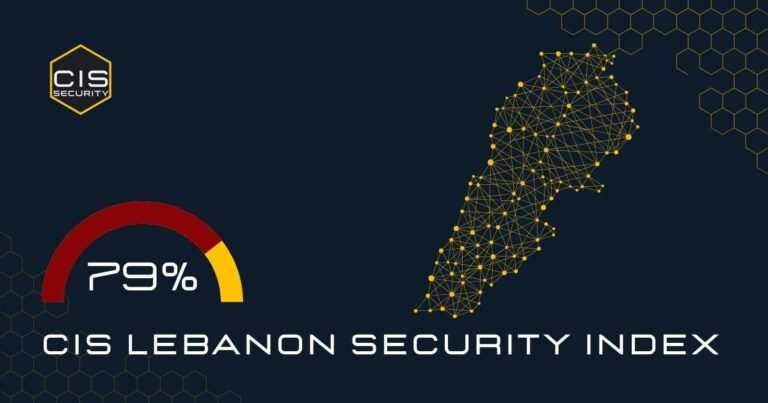
TODAY’S OVERALL INDEX: 79/100
TREND ANALYSIS: ⚠️ UNSC DELEGATION VISIT AMID ESCALATING ISRAELI STRIKES
🚨 BREAKING: UN SECURITY COUNCIL DELEGATION MEETS PRESIDENT AOUN AS ISRAELI STRIKES INTENSIFY
CRITICAL DEVELOPMENTS – FRIDAY, DECEMBER 05, 2025:
UNSC DELEGATION IN LEBANON: Lebanon’s President Joseph Aoun has met with a visiting United Nations Security Council (UNSC) delegation to discuss escalating tensions with Israel and efforts to disarm Hezbollah, a day after a wave of Israeli raids rocked the south of the country. The delegation includes Slovenia’s UN Ambassador Samuel Zbogar, who holds the Security Council’s rotating December presidency.
PRESIDENTIAL PRESSURE ON ISRAEL: Speaking with the UNSC team on Friday, Aoun urged them to pressure Israel to respect a November 2024 ceasefire it has violated on a near-daily basis and to withdraw from areas it continues to occupy in southern Lebanon. The President is also meeting with Prime Minister Nawaf Salam, Parliament Speaker Nabih Berri, and Lebanese army commander Rodolphe Haykal.
SOUTHERN TOUR PLANNED: The UNSC delegation is scheduled to tour southern Lebanon on Saturday to assess the situation on the ground and meet with UNIFIL peacekeeping officials, marking the first Security Council visit to the region in six years.
THURSDAY’S ISRAELI STRIKES: Israel’s military has launched air strikes on at least three towns in southern Lebanon, Mahrouna, Jbaa, and al-Majadel, despite the ceasefire in place since last November. The IDF claims it struck weapons storage facilities belonging to Hezbollah located in the heart of civilian populations.
CIVILIAN IMPACT: Local official Yassir Madi told journalists that in Jbaa “it’s a completely civilian area” and “there’s not a window within 300 metres that didn’t break. Everyone is living in shock”. One person was reportedly killed and one wounded in Thursday’s strikes.
NEXT TALKS SCHEDULED: Aoun’s Information Minister Paul Morcos said the government views negotiations with Israel, set to restart on December 19, as the only way forward, stating “There is no other option but negotiation”. Aoun stressed the need for negotiation over war while insisting there would be no concession over Lebanon’s sovereignty.
HEZBOLLAH REJECTS DISARMAMENT: Hezbollah leader Naim Qassem has flatly rejected disarming as long as Israel continues to bombard and occupy Lebanon, saying in recent days that the armed group has the right to respond to Israel’s assassination of its top military chief in the November 23 Beirut strike.
AOUN CONDEMNS STRIKES: Lebanese President Joseph Aoun slammed the strikes as a violation of international law, stating “What Israel did today in southern Lebanon is not only a crime under international law… but also a despicable political crime”. He added that almost a year since the ceasefire, Israel has spared no effort to show its refusal of an arrangement.
LEBANESE ARMY PROGRESS: Footage shared by Lebanese media shows LAF patrols transporting missiles confiscated from Hezbollah sites in southern Lebanon, demonstrating ongoing disarmament efforts despite security challenges and Hezbollah resistance.
DIPLOMATIC CONTEXT: The historic December 3 direct civilian talks in Naqoura between Lebanese and Israeli representatives created brief optimism, but Thursday’s intense Israeli strikes demonstrated continued volatility despite diplomatic engagement efforts.
🌡️ COMPREHENSIVE GOVERNORATE-BY-GOVERNORATE SECURITY ASSESSMENT
BEIRUT 🏙️
Index Reading: 74/100 🔴
Status: Critical with International Diplomatic Engagement. The capital today hosts the UN Security Council delegation’s first visit to Lebanon in six years, with President Aoun using the high-level engagement to pressure international community on Israeli violations and occupation.
The Presidential Palace in Baabda served as venue for critical meetings between President Aoun, Slovenia’s UN Ambassador Samuel Zbogar (UNSC December president), and Security Council representatives from all 15 member states. This unprecedented diplomatic activity demonstrates Lebanon’s continued international relevance and governmental functionality.
President Aoun’s messaging emphasized Lebanon’s commitment to negotiation while condemning what he called Israeli “despicable political crimes” in Thursday’s southern strikes. His statement that “there is no other option but negotiation” while insisting on no sovereignty concessions reflects the delicate balance Lebanese leadership must navigate.
Prime Minister Nawaf Salam’s meetings with the UNSC delegation reinforce governmental coordination, while his emphasis that December 3 civilian talks were “positive” but not normalization demonstrates careful management of domestic political sensitivities, particularly regarding Hezbollah constituencies.
Business operations continue normally despite international diplomatic activity, though awareness remains high regarding Hezbollah leader Qassem’s threats of future response to the November 23 Beirut strike that killed chief of staff Haytham Ali Tabatabai.
Parliament Speaker Nabih Berri’s engagement with UNSC delegation represents Shia political leadership’s participation in international discussions, critical for any eventual disarmament arrangements requiring Hezbollah-aligned political support.
Key Factor: UN Security Council delegation visit creating international pressure platform on Israeli violations while President Aoun navigates diplomatic engagement strategy amid Thursday’s escalating southern strikes and Hezbollah resistance to disarmament.
MOUNT LEBANON 🏞️
Index Reading: 71/100 🟡
Status: Elevated with Post-Papal Reflection Continuing. The governorate maintains stability following the successful papal visit concluded Tuesday, while international attention shifts to UN Security Council delegation’s assessment of Lebanese security situation.
Maronite Christian communities continue reflecting on Pope Leo XIV’s messages of peace and perseverance, with the pontiff’s behind-the-scenes diplomatic efforts to end Israeli strikes now complemented by UNSC pressure through Friday’s high-level delegation visit.
Business operations proceed normally with sustained confidence from demonstrated national capability during the 150,000-person papal mass. Tourism infrastructure benefits from continued positive international recognition of Lebanon’s organizational capabilities.
The region serves as primary destination for displaced populations from southern areas, while the UNSC delegation’s planned Saturday tour of southern Lebanon creates hope for increased international attention on civilian displacement and reconstruction needs.
Infrastructure improvements continue under stable governmental framework led by President Aoun and PM Salam, with the UNSC visit demonstrating international support for Lebanese sovereignty and governmental authority establishment efforts.
Key Factor: Continued post-papal stability while UNSC delegation visit reinforces international engagement and support for Lebanese governmental efforts amid ongoing southern security challenges.
NORTH LEBANON 🌊
Index Reading: 73/100 🟡
Status: Stable with Regional Participation in International Engagement. Tripoli and surrounding areas maintain normal operations while the UNSC delegation’s Lebanon visit demonstrates continued international attention on Lebanese stability and sovereignty.
Cross-border dynamics with Syria remain stable with enhanced LAF coordination following the Assad regime fall. The UNSC delegation visited Syria Thursday before arriving in Lebanon Friday, marking the first-ever Security Council visit to Syria and demonstrating regional diplomatic engagement.
Economic conditions show gradual improvement under stable governmental framework, with port operations in Tripoli benefiting from demonstrated Lebanese stability during recent high-profile international events including papal visit and UNSC delegation engagement.
Northern residents contributed to the successful papal visit mass, demonstrating national unity potential. The UNSC delegation’s focus on Lebanese sovereignty and ceasefire violations resonates throughout northern regions supporting governmental authority.
Key Factor: Stable operations continuing while UNSC delegation visit reinforces international support for Lebanese sovereignty amid regional transition following Syria’s political changes.
AKKAR 🌲
Index Reading: 74/100 🔴
Status: Critical with Effective Border Security Maintained. The Syrian border situation remains stable with enhanced LAF coordination, while the UNSC delegation’s Syria-Lebanon itinerary demonstrates international recognition of border security importance.
Cross-border security operations continue effectively with international support, maintaining stability during regional transition period. The UNSC delegation’s visits to both Syria and Lebanon create diplomatic framework for continued cross-border cooperation.
The region benefits from governmental stability and sustained LAF presence demonstrating comprehensive security capabilities. Border security operations adapt to new regional dynamics while maintaining vigilance against unauthorized crossings.
Humanitarian coordination with new Syrian authorities proceeds through established channels, with the UNSC delegation’s engagement in both countries potentially supporting enhanced bilateral cooperation frameworks.
Key Factor: Effective border security maintained during UNSC regional visit while LAF operations demonstrate comprehensive capabilities supporting national stability despite regional changes.
BEQAA VALLEY 🍇
Index Reading: 77/100 🔴
Status: Critical with Ongoing Disarmament Operations Under International Scrutiny. The valley experiences continued monitoring as LAF operations progress while UN Security Council delegation assesses Lebanese disarmament efforts and capabilities.
Agricultural operations continue with security precautions, while the UNSC delegation’s visit creates international attention on Lebanon’s commitment to establishing governmental weapons monopoly. The LAF’s documented discoveries of 74 tunnels, 175 rocket launchers, and 58 missiles since September 5 demonstrate progress the government can present to international observers.
International development projects proceed under enhanced security protocols, while the UNSC visit potentially opens pathways for increased international support for LAF disarmament operations and reconstruction efforts.
The region’s strategic importance creates ongoing monitoring requirements, particularly as the government navigates Hezbollah’s flat rejection of disarmament demands while maintaining LAF operations to confiscate weapons and infrastructure.
Key Factor: LAF disarmament operations continuing under international scrutiny from UNSC delegation while agricultural activities proceed amid complex political dynamics over Hezbollah weapons control.
BAALBEK-HERMEL 🕌
Index Reading: 79/100 🔴
Status: Critical with Monitoring Requirements and International Assessment. This region continues monitoring ceasefire implementation while the UNSC delegation’s visit focuses attention on Israeli violations and Lebanese governmental efforts to establish authority.
Infrastructure improvements continue under governmental framework, while the UNSC delegation’s mandate to assess ceasefire implementation creates potential for international pressure on Israeli compliance with withdrawal requirements.
The pattern of ongoing Israeli violations documented by Lebanese army officers creates persistent security concerns, with Thursday’s strikes demonstrating continued volatility despite Wednesday’s diplomatic breakthrough in Naqoura civilian talks.
Hezbollah’s strongholds in the region create complex dynamics as leader Naim Qassem rejects disarmament while the government presents LAF progress to international observers, navigating between US pressure and domestic political realities.
Key Factor: Ongoing ceasefire monitoring requirements while UNSC delegation visit creates international pressure framework for addressing violations and supporting Lebanese sovereignty establishment.
KESERWAN-JBEIL 🏛️
Index Reading: 69/100 🟡
Status: Stable with Continued Confidence from International Engagement. The coastal governorate maintains satisfaction from successful papal visit while UNSC delegation’s Lebanon visit reinforces international recognition of Lebanese stability capabilities.
Tourism infrastructure benefits from demonstrated hospitality during papal events, with continued international diplomatic activity showcasing Lebanon’s significance as regional diplomatic hub despite security challenges.
Business operations continue with positive momentum from successive high-profile international events demonstrating Lebanese organizational excellence. The 150,000-person papal mass success followed by UNSC delegation visit creates confidence for future tourism and event hosting.
Infrastructure effectively supports major international gatherings, while comprehensive security coordination proven during papal visit demonstrates capabilities the government can showcase to Security Council observers.
Key Factor: Sustained confidence from successful papal visit while UNSC delegation engagement reinforces Lebanon’s international standing and organizational capabilities despite regional security challenges.
SOUTH LEBANON 🌴
Index Reading: 86/100 🔴
Status: Critical – Thursday’s Strikes and Saturday UNSC Tour. The south experiences the highest security concerns following Thursday’s intense Israeli strikes on Mahrouna, Jbaa, al-Majadel, and Braashit, with the UNSC delegation planning Saturday ground tour.
The attack on Jbaa on Thursday destroyed a building in a densely populated residential area and caused extensive damage to nearby structures. The IDF issued forced evacuation warnings before strikes, publishing maps identifying buildings as Hezbollah targets.
The Lebanese Armed Forces continue comprehensive operations with nearly 10,000 troops deployed, having discovered 74 tunnels, 175 rocket launchers, and 58 missiles since September 5. Footage shows LAF patrols transporting confiscated missiles, demonstrating progress despite challenging security environment.
Lebanese army officials have documented 5,198 Israeli violations of the ceasefire, including 657 air strikes, by the end of November. Thursday’s strikes add to this total, occurring just one day after the historic Naqoura civilian talks created brief optimism for improved implementation.
Israeli forces maintain five strategic positions inside Lebanese territory despite ceasefire requirements for full withdrawal. However, Israeli forces continue to occupy at least five positions inside Lebanese territory and have not withdrawn despite the agreement’s terms.
The UNSC delegation’s planned Saturday tour will provide firsthand assessment of southern conditions, including meeting with UNIFIL officials who continue peacekeeping operations through December 2026 before mandated withdrawal completion by end of 2027.
Pope Leo XIV did not visit southern areas during his November 30-December 2 trip due to security concerns, but the UNSC delegation’s willingness to tour south demonstrates international determination to directly assess ceasefire implementation and violation patterns.
Key Factor: Thursday’s intense Israeli strikes creating immediate security concerns while Saturday’s UNSC delegation tour will provide international firsthand assessment of violations, LAF operations, and civilian impacts one year into fragile ceasefire.
NABATIEH ⛪
Index Reading: 84/100 🔴
Status: Critical with Reconstruction Challenges and UNSC Assessment. The governorate continues managing conflict aftermath while Saturday’s Security Council delegation tour will assess reconstruction needs and ongoing violation impacts.
Infrastructure restoration proceeds under governmental framework despite massive challenges from extensive housing destruction. The UNSC delegation’s visit creates opportunity to showcase reconstruction requirements and international support needs.
Civilian populations balance reconstruction efforts with continued threats, as Thursday’s strikes demonstrated ongoing vulnerability despite ceasefire framework. Hezbollah leader Qassem’s statements that the group has “the right to respond” to Israeli strikes create persistent tension.
Local Christian communities found spiritual encouragement from Pope Leo’s visit, while the UNSC delegation’s engagement demonstrates international attention extends to all Lebanese communities regardless of sectarian composition or political alignment.
The LAF’s presence and disarmament operations continue despite complex political dynamics, with the government attempting to demonstrate progress to international observers while navigating Hezbollah’s rejection of comprehensive disarmament demands.
Key Factor: Reconstruction efforts proceeding amid ongoing strikes while UNSC delegation tour creates international attention on civilian needs and violation impacts requiring sustained humanitarian and development support.
🎯 CRITICAL SECURITY INTELLIGENCE BRIEF – UNSC DELEGATION VISIT
🔥 CURRENT HIGH-RISK AREAS:
Priority Level 1 – Active Security Concerns:
- Southern Lebanon Villages – Thursday strikes on Mahrouna, Jbaa, al-Majadel, Braashit; Saturday UNSC tour planned
- Israeli-Occupied Positions – Five strategic hilltop points maintained inside Lebanon
- UNSC Delegation Routes – Security for Saturday southern Lebanon tour with UNIFIL meetings
- Beirut Southern Suburbs – Site of November 23 strike; Hezbollah threatens future response
- LAF Disarmament Sites – Areas where 74 tunnels, 175 launchers confiscated; ongoing operations
Priority Level 2 – Enhanced Monitoring: 6. Presidential Palace Complex – UNSC delegation meetings with Lebanese leadership continuing 7. UNIFIL Positions – Security Council delegation meeting with peacekeepers Saturday 8. Major Transportation Routes – UNSC delegation movement requiring security coordination 9. Border Crossing Points – LAF maintaining 10,000 troops; 11 smuggling routes closed 10. Civilian Return Areas – Displaced populations navigating reconstruction amid ongoing strikes
✅ RELATIVELY STABLE ZONES (WITH CONTINUED VIGILANCE):
Improved Stability Areas:
- Central Beirut Government District – UNSC delegation engagement demonstrating governmental authority
- Mount Lebanon Christian Areas – Post-papal stability maintained with continued international attention
- Northern Coastal Areas – Normal operations supporting regional stability framework
- Cross-Border Coordination – Stable management with Syrian authorities through transition
- Keserwan-Jbeil Tourism Areas – Sustained confidence from successful international event hosting
⚠️ UNSC DELEGATION VISIT FRAMEWORK:
Friday December 5 Schedule:
- Presidential Palace meetings with President Aoun, PM Salam, Speaker Berri
- Lebanese army commander Rodolphe Haykal briefing on LAF operations
- Assessment of governmental disarmament efforts and ceasefire violations
- Diplomatic pressure discussions on Israeli compliance with withdrawal requirements
Saturday December 6 Plans:
- Southern Lebanon ground tour with firsthand assessment
- UNIFIL headquarters meetings and peacekeeping coordination discussions
- Blue Line border area observation and violation documentation review
- Civilian impact assessment and reconstruction needs evaluation
📱 CURRENT SECURITY GUIDANCE – UNSC DELEGATION VISIT PERIOD
🏠 GUIDANCE FOR RESIDENTS:
UN SECURITY COUNCIL IN LEBANON: UN Security Council delegation conducting first Lebanon visit in six years, assessing ceasefire implementation, Israeli violations, LAF disarmament efforts, and reconstruction needs. President Aoun using high-level engagement to pressure international community on compliance.
CURRENT SECURITY ENVIRONMENT:
- UNSC Visit: Friday meetings in Beirut, Saturday southern Lebanon tour planned
- Thursday Strikes: Israeli attacks on four southern villages following Wednesday diplomatic talks
- Civilian Impact: One killed, one wounded; extensive damage to residential areas in Jbaa
- Next Negotiations: December 19 restart of Israel-Lebanon civilian talks confirmed
SOUTHERN LEBANON STATUS:
- Ongoing Strikes: 5,198 documented violations including 657 airstrikes by November end
- LAF Operations: Nearly 10,000 troops deployed; 74 tunnels, 175 launchers, 58 missiles confiscated
- Israeli Occupation: Five strategic positions maintained inside Lebanese territory
- UNSC Assessment: Saturday ground tour will evaluate conditions firsthand
🏢 BUSINESS OPERATIONS GUIDANCE:
UNSC VISIT BUSINESS IMPACT:
- International Attention: Security Council delegation demonstrating continued global engagement with Lebanon
- Diplomatic Activity: High-level meetings showcasing Lebanese governmental functionality
- Tourism Sector: Sustained confidence from successive international events (papal visit, UNSC delegation)
- Reconstruction Focus: UNSC assessment potentially opening pathways for increased international support
OPERATIONAL CONSIDERATIONS:
- Enhanced security during UNSC delegation movement, particularly Saturday southern tour
- Continued Israeli strike patterns despite diplomatic engagement requiring maintained awareness
- LAF operations demonstrating governmental commitment to security framework
- December 19 talks restart creating potential for improved ceasefire implementation
🚗 TRAVEL ADVISORY – UNSC VISIT PERIOD:
CURRENT TRAVEL STATUS: UN Security Council delegation conducting comprehensive Lebanon assessment with Saturday southern tour planned, while Thursday’s strikes demonstrate continued volatility despite Wednesday’s diplomatic breakthrough.
REGIONAL TRAVEL GUIDANCE:
- Central Beirut: Enhanced security for UNSC delegation; normal operations otherwise
- Mount Lebanon: Stable with continued confidence from recent international engagements
- Northern Areas: Normal commercial and port operations with effective border security
- Southern Areas: HEIGHTENED CAUTION due to Thursday strikes; UNSC tour Saturday
- Border Crossings: Standard security procedures with LAF maintaining enhanced presence
📊 FRIDAY, DECEMBER 05, 2025 SECURITY ANALYSIS
Today’s Assessment: UN Security Council Delegation Engagement Amid Strike Escalation
Governmental Function: President Aoun leveraging UNSC visit to pressure international community on violations
Major Development: Security Council’s first Lebanon visit in six years creating diplomatic pressure framework
Security Challenges: Thursday’s strikes on four villages; 5,198 total violations; Hezbollah rejects disarmament
Critical Analysis: Friday, December 5, 2025, marks a pivotal moment as Lebanon hosts the UN Security Council delegation’s first visit in six years, with President Joseph Aoun strategically leveraging the high-level engagement to pressure the international community on Israeli ceasefire violations and occupation.
The timing creates dramatic juxtaposition—Wednesday’s historic first direct civilian talks between Lebanese and Israeli representatives in Naqoura generated brief optimism for improved implementation, only to be followed Thursday by intense Israeli strikes on four southern villages demonstrating continued volatility despite diplomatic progress.
President Aoun’s messaging to the UNSC delegation emphasizes Lebanon’s dual track approach: commitment to negotiation while condemning what he characterized as Israeli “despicable political crimes.” His statement that “there is no other option but negotiation” while insisting on no sovereignty concessions reflects the delicate balance Lebanese leadership must navigate between US pressure for Hezbollah disarmament and domestic political realities.
The Lebanese government confirmed next civilian talks scheduled for December 19, demonstrating diplomatic engagement continues despite Thursday’s violence. Prime Minister Nawaf Salam emphasized Wednesday’s meetings were “positive” but carefully downplayed their significance, stating they were not part of normalization and focused only on implementing the 2024 ceasefire, managing Hezbollah-aligned political sensitivities.
Thursday’s Israeli strikes targeted Mahrouna, Jbaa, al-Majadel, and Braashit after IDF evacuation warnings. In Jbaa, a local official reported the strike hit “a completely civilian area” with no windows remaining intact within 300 meters and “everyone living in shock.” One person was killed and one wounded, adding to the documented toll of ongoing violations.
The IDF maintains it struck “weapons storage facilities belonging to Hezbollah” located in the “heart of the civilian population,” characterizing it as another example of Hezbollah’s “cynical use of Lebanese civilians as human shields.” This justification has been consistently deployed for hundreds of strikes since the November 2024 ceasefire.
Lebanese army statistics document 5,198 Israeli violations through November end, including 657 airstrikes. Thursday’s attacks add to this total, occurring just hours after the historic Naqoura civilian talks, demonstrating the fragility of diplomatic progress amid continued military operations.
The Lebanese Armed Forces continue making documented progress despite challenging conditions. Footage shows LAF patrols transporting confiscated missiles from Hezbollah sites in southern Lebanon. Since September 5, troops have discovered 74 tunnels, 175 rocket launchers, and 58 missiles, with nearly 10,000 personnel deployed throughout the south.
Hezbollah’s position remains a critical obstacle. Leader Naim Qassem has flatly rejected disarmament demands “as long as Israel continues to bombard and occupy Lebanon,” stating the group has “the right to respond” to the November 23 Beirut strike that killed chief of staff Haytham Ali Tabatabai. This threat creates persistent escalation risks despite current restraint.
The UNSC delegation’s Saturday southern tour will provide firsthand assessment of conditions one year into the fragile ceasefire. Slovenia’s UN Ambassador Samuel Zbogar, holding the Security Council’s rotating December presidency, leads the 15-member delegation on its first regional visit in six years and first-ever Syria visit, demonstrating comprehensive Middle East engagement.
Meetings with UNIFIL officials will address the peacekeeping force’s mandated withdrawal by end of 2027, creating urgency for LAF sovereignty establishment throughout southern territories. The Security Council voted unanimously in August 2025 for UNIFIL operations to cease December 31, 2026, with year-long withdrawal completing by December 2027.
President Aoun met with the UNSC delegation alongside Prime Minister Salam, Parliament Speaker Nabih Berri, and Lebanese army commander Rodolphe Haykal. This comprehensive governmental engagement demonstrates coordination across executive, legislative, and military leadership in presenting Lebanon’s position on violations and disarmament progress.
The diplomatic context remains complex. The historic December 3 Naqoura talks between Lebanese civilian representative Simon Karam (former US ambassador) and Israeli National Security Council official Uri Resnick, facilitated by US Special Representative Morgan Ortagus, created framework for future economic cooperation discussions alongside ceasefire implementation.
However, Israeli Prime Minister Netanyahu’s office made clear that Hezbollah disarmament remains “essential” regardless of economic cooperation progress. An IDF official characterized Thursday’s strikes as “just a preview” of escalation if the group is not disarmed, demonstrating Israeli determination to maintain military pressure alongside diplomatic engagement.
Lebanese President Aoun responded forcefully to Thursday’s strikes: “Almost a year since the ceasefire came into effect, Israel has spared no effort to show its refusal of an arrangement between the two countries—your message has been received.” This statement captures Lebanese frustration with systematic violations while trying to maintain diplomatic channel viability.
The UNSC delegation’s visit occurs against backdrop of regional transformation following Syria’s Assad regime fall in December 2024. The Security Council visited Damascus Thursday before arriving in Lebanon Friday, marking unprecedented engagement with Syria’s new authorities led by President Ahmed al-Sharaa. This regional diplomatic activity demonstrates international determination to shape post-conflict transitions.
Pope Leo’s Legacy: The successful papal visit concluded December 2 continues influencing Lebanese discourse. Pope Leo XIV told reporters he has “in a very small way begun a few conversations” with political leaders to end Israeli strikes, though he declined specifics. The UNSC delegation’s visit represents institutional international follow-up to the papal diplomatic engagement.
UNIFIL Transition: The peacekeeping force’s mandated 2026-2027 withdrawal creates urgency for the UNSC delegation’s assessment. With operations ceasing December 31, 2026, and complete withdrawal by end of 2027, the Security Council must evaluate how Lebanese governmental authority can effectively replace international peacekeeping without creating security vacuum Hezbollah could exploit.
US Pressure: Congressional letters and Trump administration envoy Tom Barrack’s continued engagement demonstrate sustained American pressure for Hezbollah disarmament. The December 19 talks restart creates test of whether civilian diplomatic channels can produce concrete implementation progress beyond Wednesday’s initial breakthrough.
Long-term Prospects: The combination of UNSC delegation visit, scheduled December 19 talks continuation, LAF disarmament progress with 74 tunnels discovered, and governmental coordination under President Aoun and PM Salam demonstrates Lebanese determination to navigate complex pressures. However, sustained stability requires Israeli compliance with withdrawal from five occupied positions, addressing the pattern of 5,198 violations, Hezbollah acceptance of disarmament framework, and international support for reconstruction enabling displaced population return.
The Saturday UNSC southern tour will provide critical firsthand assessment influencing Security Council positions on enforcement, UNIFIL transition, and international support frameworks. President Aoun’s strategic use of this high-level engagement to spotlight Israeli violations while demonstrating LAF progress represents Lebanese effort to shift international pressure balance from exclusive focus on Hezbollah disarmament to comprehensive ceasefire implementation by all parties.
🛡️ CIS SECURITY: UNSC DELEGATION PROTECTION SERVICES
🇺🇳 UN SECURITY COUNCIL IN LEBANON – COMPREHENSIVE COORDINATION FOR HISTORIC VISIT
CIS Security provides professional protection services for Lebanon’s hosting of the UN Security Council delegation conducting its first Lebanon visit in six years, ensuring comprehensive security for this critical international assessment of ceasefire implementation and governmental capabilities.
UNSC DELEGATION SPECIALIZED SERVICES:
Friday December 5 Protection:
- Presidential Palace Security – Professional coordination for UNSC meetings with President Aoun, PM Salam, Speaker Berri
- VIP Transportation – Secure movement for 15-member Security Council delegation throughout Beirut
- Meeting Venue Protection – Comprehensive security for high-level governmental and military briefings
- Emergency Response Readiness – Maintained capabilities throughout international delegation visit
Saturday December 6 Southern Tour:
- Ground Tour Security – Professional protection for UNSC delegation’s southern Lebanon assessment
- UNIFIL Coordination – Security liaison with peacekeeping force for delegation meetings
- Blue Line Area Protection – Safe access to border regions for firsthand violation assessment
- Civilian Area Security – Protection during UNSC evaluation of strike impacts and reconstruction needs
Enhanced Security Capabilities:
- Diplomatic Protection Expertise – Presidential-level security for international delegation members
- Regional Coordination – Partnership with LAF on southern tour security logistics
- UNIFIL Partnership – Professional coordination with peacekeepers for Saturday headquarters visit
- Emergency Medical Support – Comprehensive capabilities maintained for delegation movements
SPECIALIZED UNSC VISIT SERVICES:
Governmental Coordination:
- Professional partnership with President Aoun’s administration on delegation security
- Liaison with PM Salam’s government on diplomatic protocol and logistical arrangements
- Coordination with Lebanese Armed Forces on southern tour protection
- Support for Parliament Speaker Berri’s delegation engagement and security requirements
International Cooperation:
- Professional engagement with UN security services and delegation protection teams
- Coordination with Slovenia’s UN mission holding December Security Council presidency
- Partnership with UNIFIL on southern tour logistics and peacekeeping coordination
- Support for US, French, and other Security Council member security requirements
Saturday Southern Tour Management:
- Expertise in conflict zone VIP protection and delegation movement security
- Professional coordination with LAF’s 10,000 troops deployed in southern Lebanon
- Security assessment for UNSC firsthand evaluation of strike impacts and violations
- Transportation coordination through areas experiencing ongoing military operations
📞 UNSC DELEGATION COORDINATION SERVICES
UNSC VISIT SECURITY HOTLINE: +961-3-539900
Professional protection enabling critical international assessment with comprehensive security coordination
DIPLOMATIC EVENT SECURITY: Protection for high-level governmental meetings and delegation briefings
CONFLICT ZONE PROTECTION: Expertise in southern tour security amid ongoing strike patterns
EMERGENCY RESPONSE: Comprehensive medical and security capabilities maintained
Specialized UNSC Visit Centers:
- Diplomatic Protection Operations: Security for all delegation meetings and movements
- Southern Tour Coordination: Professional protection for Saturday ground assessment
- UNIFIL Partnership: Liaison with peacekeeping force for delegation headquarters visit
- Emergency Response Center: Comprehensive capabilities for any contingencies during visit
During the UN Security Council delegation’s historic six-year-first Lebanon visit, CIS Security’s professional services provide comprehensive protection enabling critical international assessment of ceasefire violations, LAF disarmament progress, and reconstruction needs while maintaining emergency response capabilities despite ongoing strike patterns under President Aoun’s leadership and PM Salam’s governmental coordination.
⚠️ UNSC DELEGATION VISIT OPERATIONAL NOTICE
HISTORIC INTERNATIONAL ENGAGEMENT: UN Security Council delegation conducting first Lebanon visit in six years, with Friday meetings in Beirut and Saturday southern tour planned for firsthand assessment of ceasefire implementation and violation patterns.
THURSDAY STRIKE ESCALATION: Israeli attacks on Mahrouna, Jbaa, al-Majadel, Braashit killed one, wounded one, destroyed buildings in residential areas just hours after Wednesday’s historic Naqoura civilian talks breakthrough.
PRESIDENTIAL PRESSURE STRATEGY: President Aoun leveraging UNSC delegation visit to spotlight 5,198 documented Israeli violations including 657 airstrikes while demonstrating LAF disarmament progress with 74 tunnels discovered.
DECEMBER 19 TALKS SCHEDULED: Government confirms next Israel-Lebanon civilian talks restart, with President Aoun emphasizing “no other option but negotiation” while insisting on no sovereignty concessions.
HEZBOLLAH RESISTANCE CONTINUES: Leader Naim Qassem flatly rejects disarmament “as long as Israel continues to bombard and occupy Lebanon,” threatening group has “right to respond” to November 23 Beirut strike.
LAF OPERATIONS DOCUMENTED: Lebanese Armed Forces transporting confiscated missiles; nearly 10,000 troops deployed; 74 tunnels, 175 launchers, 58 missiles discovered since September 5.
SATURDAY SOUTHERN ASSESSMENT: UNSC delegation tour will provide international firsthand evaluation of strike impacts, civilian conditions, LAF sovereignty establishment, UNIFIL transition planning.
PROFESSIONAL UNSC SERVICES: CIS Security provides comprehensive protection for diplomatic delegation, southern tour coordination, UNIFIL partnership, governmental meeting security, and emergency response capabilities enabling Lebanon’s navigation of critical international assessment while maintaining vigilance for ongoing strike patterns.
🔍 PROFESSIONAL SECURITY SERVICES – CIS SECURITY LEBANON
Trusted Security Excellence Since 1990 – “Because Your Safety Isn’t Optional”
As Lebanon hosts the UN Security Council delegation’s first visit in six years for critical assessment of ceasefire violations and governmental capabilities, trust CIS Security’s 35+ years of proven expertise in diplomatic protection, conflict zone VIP security, southern tour coordination, and comprehensive security management. As Lebanon’s most reviewed security company, we provide specialized UNSC delegation services including Presidential Palace protection, southern Lebanon ground tour security, UNIFIL coordination, governmental meeting security, and emergency response capabilities. Our trained, uniformed, and licensed security personnel deliver 24/7 protection supporting Lebanon’s successful hosting of this pivotal international engagement while maintaining vigilance for ongoing strike patterns demonstrated by Thursday’s attacks just hours after Wednesday’s diplomatic breakthrough.
CIS Security UNSC Delegation Services:
- Diplomatic Event Protection – Professional security for high-level Security Council meetings with Lebanese leadership
- Southern Tour Coordination – Comprehensive protection for Saturday ground assessment in strike-affected areas
- UNIFIL Partnership – Security liaison with peacekeeping force for delegation headquarters visit
- Conflict Zone VIP Security – Expertise protecting international delegations in areas experiencing ongoing military operations
- Presidential-Level Protection – Comprehensive security for 15-member Security Council delegation
- LAF Operations Support – Partnership with Lebanese Armed Forces on southern tour logistics
- Emergency Response Capabilities – Medical and security readiness throughout delegation movements
Why Choose CIS During UNSC Visit: ✓ 35+ Years National Experience – Proven security supporting Lebanon’s most critical international engagements
✓ Presidential Partnership – Professional coordination with President Aoun’s administration on delegation security
✓ Conflict Zone Expertise – Specialized capabilities for southern tour amid ongoing strike patterns
✓ UNIFIL Cooperation – Security partnership with international peacekeeping supporting regional stability
✓ Diplomatic Protection – Presidential-level security proven during papal visit and UNSC delegation
✓ Emergency Readiness – Comprehensive response capabilities maintained throughout high-risk areas
UNSC Visit Security Support: 📞 Diplomatic Protection: +961-3-539900
💬 Southern Tour Coordination: Professional security for Saturday ground assessment in conflict-affected areas
🌐 Comprehensive Services: www.cissecurity.net – Full UNSC delegation security coordination
📧 Emergency Response: Maintained capabilities throughout delegation visit despite ongoing strikes
Serving all Lebanese governorates during UN Security Council’s historic visit with professional security for diplomatic events, southern tour protection, UNIFIL coordination, and emergency response. CIS Security – Your trusted partner enabling Lebanon’s successful hosting of critical international assessment under President Aoun’s leadership, demonstrating governmental capabilities, LAF disarmament progress, and national resilience despite ongoing ceasefire violations. As the Security Council conducts its first Lebanon visit in six years, CIS Security provides the professional protection enabling this pivotal moment of international engagement and evaluation.
📋 UNSC DELEGATION COMPLETE SCHEDULE & SECURITY BRIEFING
FRIDAY, DECEMBER 5 (TODAY):
✅ Presidential Palace Meetings – UNSC delegation with President Joseph Aoun
✅ Prime Minister Briefing – Security Council with PM Nawaf Salam
✅ Parliament Speaker Engagement – Delegation with Speaker Nabih Berri
✅ Army Commander Assessment – UNSC with LAF Commander Rodolphe Haykal
FRIDAY TOPICS COVERED:
- Lebanese governmental position on 5,198 Israeli violations including 657 airstrikes
- LAF disarmament progress: 74 tunnels, 175 launchers, 58 missiles confiscated
- Israeli occupation of five strategic positions inside Lebanon
- Request for international pressure on Israeli ceasefire compliance
- December 19 civilian talks continuation plans
SATURDAY, DECEMBER 6 (SCHEDULED):
🔜 Southern Lebanon Ground Tour – Firsthand assessment of strike-affected areas
🔜 UNIFIL Headquarters Visit – Meetings with peacekeeping force leadership
🔜 Blue Line Observation – Border area evaluation and violation documentation review
🔜 Civilian Impact Assessment – Evaluation of reconstruction needs and displacement
🔜 Thursday Strike Sites – Potential visits to Mahrouna, Jbaa, al-Majadel, Braashit
SATURDAY SECURITY CONSIDERATIONS:
- Enhanced Protection Required – Conflict zone VIP security in areas experiencing ongoing strikes
- LAF Coordination Essential – Partnership with 10,000 deployed troops for delegation safety
- UNIFIL Partnership – Security coordination with peacekeepers for headquarters meetings
- Medical Readiness – Emergency capabilities for high-risk area movements
- Strike Risk Awareness – Thursday attacks demonstrate continued volatility despite diplomatic engagement
- Evacuation Planning – Contingency protocols for any escalation during delegation tour
🌍 REGIONAL CONTEXT & DIPLOMATIC FRAMEWORK
WEDNESDAY’S NAQOURA BREAKTHROUGH:
Historic First Direct Talks: December 3 marked first direct civilian engagement between Lebanese and Israeli representatives in decades, held at UN headquarters in Naqoura with US Special Representative Morgan Ortagus facilitating. Lebanon sent former ambassador Simon Karam; Israel sent National Security Council official Uri Resnick.
Economic Cooperation Potential: Netanyahu’s office characterized meetings as “initial attempt to create basis for relationship and economic cooperation between Israel and Lebanon,” indicating potential for future engagement if security conditions stabilize.
Hezbollah Disarmament Priority: Israeli official made clear that group’s disarmament remains “essential” regardless of economic cooperation discussions, with IDF characterizing Thursday’s strikes as “just a preview” of escalation if Hezbollah is not disarmed.
THURSDAY’S STRIKE ESCALATION:
Timing Creates Whiplash: Just hours after Wednesday’s diplomatic breakthrough, Israeli forces launched strikes on four southern villages (Mahrouna, Jbaa, al-Majadel, Braashit), killing one, wounding one, and destroying buildings in residential areas.
IDF Justification: Military claims strikes targeted “weapons storage facilities belonging to Hezbollah” in “heart of civilian population,” characterizing it as Hezbollah “cynically using Lebanese civilians as human shields.”
Lebanese Condemnation: Local official in Jbaa reported “completely civilian area” with no windows intact within 300 meters and residents “living in shock.” President Aoun called strikes “despicable political crimes” violating international law.
DECEMBER 19 TALKS CONTINUATION:
Government Commitment: Information Minister Paul Morcos confirmed next civilian talks scheduled for December 19, stating “there is no other option but negotiation” while emphasizing Lebanon will make no sovereignty concessions.
PM Salam’s Careful Framing: Prime Minister downplayed December 3 meetings’ significance, stating they were “positive” but not normalization, focused only on implementing 2024 ceasefire, managing Hezbollah-aligned political sensitivities domestically.
HEZBOLLAH’S POSITION:
Flat Rejection of Disarmament: Leader Naim Qassem has rejected demands “as long as Israel continues to bombard and occupy Lebanon,” stating group has “right to respond” to November 23 Beirut strike that killed chief of staff Haytham Ali Tabatabai.
Strategic Calculations: Group maintains restraint despite threats, likely calculating impact of potential escalation against weakened position following Syria supply route loss, LAF infrastructure discoveries, and Israeli operations killing 370+ operatives since ceasefire.
UNSC DELEGATION MANDATE:
Assessment Objectives:
- Evaluate ceasefire implementation by all parties one year into fragile arrangement
- Document Israeli violation patterns and Lebanese governmental disarmament efforts
- Assess LAF sovereignty establishment progress and UNIFIL transition planning
- Evaluate reconstruction needs and international support requirements
- Provide firsthand observations influencing Security Council positions on enforcement
Syria Visit Context: Security Council visited Damascus Thursday before Lebanon Friday, marking first-ever UNSC Syria visit, demonstrating comprehensive Middle East engagement following Assad regime fall and regional transformation.
💬 KEY STATEMENTS FROM FRIDAY’S MEETINGS
PRESIDENT JOSEPH AOUN:
On Israeli Violations: “What Israel did today in southern Lebanon is not only a crime under international law… but also a despicable political crime.”
On Ceasefire Implementation: “Almost a year since the ceasefire came into effect, Israel has spared no effort to show its refusal of an arrangement between the two countries—your message has been received.”
Strategic Message: President Aoun used UNSC meetings to pressure international community on Israeli compliance while demonstrating Lebanese governmental commitment to negotiation, disarmament progress, and sovereignty establishment.
INFORMATION MINISTER PAUL MORCOS:
On December 19 Talks: “There is no other option but negotiation.”
On Sovereignty: Government emphasizes no concessions will be made on Lebanese sovereignty, territorial integrity, or governmental authority, balancing negotiation commitment with domestic political requirements.
PRIME MINISTER NAWAF SALAM:
On December 3 Meetings: “Positive” but not normalization, focused only on ceasefire implementation.
Political Management: PM carefully frames civilian talks to manage Hezbollah-aligned constituencies while maintaining diplomatic engagement, navigating complex domestic political realities.
HEZBOLLAH LEADER NAIM QASSEM:
On Disarmament: Flat rejection “as long as Israel continues to bombard and occupy Lebanon.”
On Response Rights: “This is a blatant aggression and an outright crime. It is our right to respond; we will set the timing for that.”
Strategic Ambiguity: Qassem maintains group’s deterrence posture while avoiding specific escalation timeline, creating persistent tension without triggering immediate conflict.
LOCAL JBAA OFFICIAL YASSIR MADI:
On Thursday Strike: “It’s a completely civilian area” and “there’s not a window within 300 metres that didn’t break. Everyone is living in shock.”
Civilian Reality: Statement captures ground-level impact of ongoing violations, contrasting with IDF claims of precision targeting of Hezbollah facilities.
📊 COMPREHENSIVE THREAT ASSESSMENT
CURRENT THREAT LEVEL: HIGH
FACTORS INCREASING THREAT: ⚠️ Thursday strikes just hours after Wednesday diplomatic breakthrough demonstrate volatility
⚠️ Hezbollah threatens “right to respond” to November 23 Beirut strike killing chief of staff
⚠️ IDF characterizes Thursday strikes as “just a preview” if Hezbollah not disarmed
⚠️ 5,198 documented violations including 657 airstrikes through November end
⚠️ UNSC delegation southern tour Saturday creating high-value target opportunity
⚠️ Israeli occupation of five positions inside Lebanon violating ceasefire terms
FACTORS REDUCING THREAT: ✅ UNSC delegation visit creating international pressure on all parties
✅ December 19 talks scheduled indicating continued diplomatic engagement commitment
✅ LAF disarmament operations making documented progress (74 tunnels discovered)
✅ Hezbollah maintaining restraint despite threats, avoiding immediate escalation
✅ International diplomatic coordination supporting ceasefire implementation
✅ US Special Representative Morgan Ortagus facilitating civilian engagement
SECURITY RESPONSE CAPABILITIES:
LEBANESE FORCES:
- Nearly 10,000 LAF troops deployed in southern Lebanon
- Documented disarmament progress: 74 tunnels, 175 launchers, 58 missiles confiscated
- 11 smuggling crossing points closed along Litani River
- Coordination with UNIFIL peacekeepers on sovereignty establishment
- Presidential-level security protocols for UNSC delegation protection
INTERNATIONAL SUPPORT:
- UNIFIL peacekeepers maintaining 10,800 personnel through December 2026
- UN Security Council delegation providing firsthand assessment and diplomatic pressure
- US Special Representative facilitating civilian talks and ceasefire implementation
- Vatican diplomatic engagement following Pope Leo’s successful visit
- International diplomatic missions coordinating on Lebanese stability support
🔮 POST-UNSC VISIT OUTLOOK & ANALYSIS
IMMEDIATE IMPACTS (DECEMBER 2025):
POSITIVE MOMENTUM:
- UNSC delegation providing international pressure framework on violations
- December 19 talks continuation demonstrating diplomatic engagement resilience
- LAF disarmament progress showcased to Security Council (74 tunnels, 175 launchers)
- International attention on Lebanese governmental capabilities and challenges
- Potential for Security Council resolutions supporting ceasefire enforcement
CONTINUING CHALLENGES:
- Thursday strikes demonstrating continued volatility despite diplomatic progress
- Hezbollah flat rejection of disarmament creating implementation obstacles
- Israeli occupation of five positions violating ceasefire requirements
- Pattern of 5,198 violations requiring systematic international pressure
- Economic crisis persisting despite positive diplomatic developments
MEDIUM-TERM PROSPECTS (2026):
DIPLOMATIC OPPORTUNITIES:
- Building on December 3 breakthrough and December 19 continuation for concrete progress
- UNSC delegation assessment potentially leading to stronger enforcement mechanisms
- US engagement supporting stability through Special Representative involvement
- Economic cooperation frameworks possible if security conditions stabilize
- Regional normalization potential following Syria transition
SECURITY PRIORITIES:
- Continued LAF deployment before UNIFIL December 2026 operations cessation
- Comprehensive disarmament beyond current 74 tunnels discovered
- Israeli withdrawal from five occupied positions through diplomatic pressure
- Addressing systematic violation pattern through international enforcement
- Managing Hezbollah response threats while maintaining fragile ceasefire
GOVERNMENTAL FOCUS:
- President Aoun leveraging UNSC visit for international pressure on violations
- PM Salam navigating complex domestic politics while advancing negotiations
- LAF operations establishing sovereignty throughout southern territories
- Reconstruction efforts for 13,981 destroyed housing units
- Economic recovery initiatives including Cyprus maritime energy exploration
LONG-TERM CONSIDERATIONS:
SOVEREIGNTY ESTABLISHMENT: Lebanon’s ability to host UNSC delegation’s southern tour demonstrates significant governmental capability despite ongoing strikes. Continued progress requires sustained LAF operations, international support for enforcement, Israeli withdrawal from occupied positions, and eventual Hezbollah political acceptance of disarmament framework.
DIPLOMATIC ENGAGEMENT: December 3 breakthrough and December 19 continuation create foundation for systematic ceasefire implementation improvements. However, Thursday’s strikes demonstrate Israeli determination to maintain military pressure alongside diplomatic engagement, requiring international community to address violation patterns comprehensively.
UNIFIL TRANSITION: Security Council’s firsthand assessment during Saturday southern tour will influence decisions on peacekeeping withdrawal timing and Lebanese governmental readiness. With operations ceasing December 31, 2026, and withdrawal completing end of 2027, effective sovereignty establishment becomes increasingly urgent.
POLITICAL RECONCILIATION: President Aoun’s strategy of demonstrating LAF progress while maintaining negotiation commitment requires navigating between US pressure for Hezbollah disarmament and domestic political realities including Hezbollah’s continued influence despite losing cabinet representation. UNSC engagement creates international framework supporting governmental authority.
CIS LEBANON SECURITY INDEX™ – Professional security intelligence for informed decision-making during UN Security Council delegation’s historic six-year-first Lebanon visit and critical assessment of ceasefire implementation. Updated Friday, December 05, 2025, based on comprehensive research and real-time security monitoring as Lebanon navigates pivotal international engagement following Wednesday’s diplomatic breakthrough and Thursday’s strike escalation.
END OF REPORT – FRIDAY, DECEMBER 05, 2025
CIS SECURITY
Because Your Safety Isn’t Optional
🎯 LEBANON SECURITY INDEX™
Powered by Advanced Intelligence Partnership
Daily Security Intelligence Dashboard LIVE RAGEX Intelligence Partner FEATURED